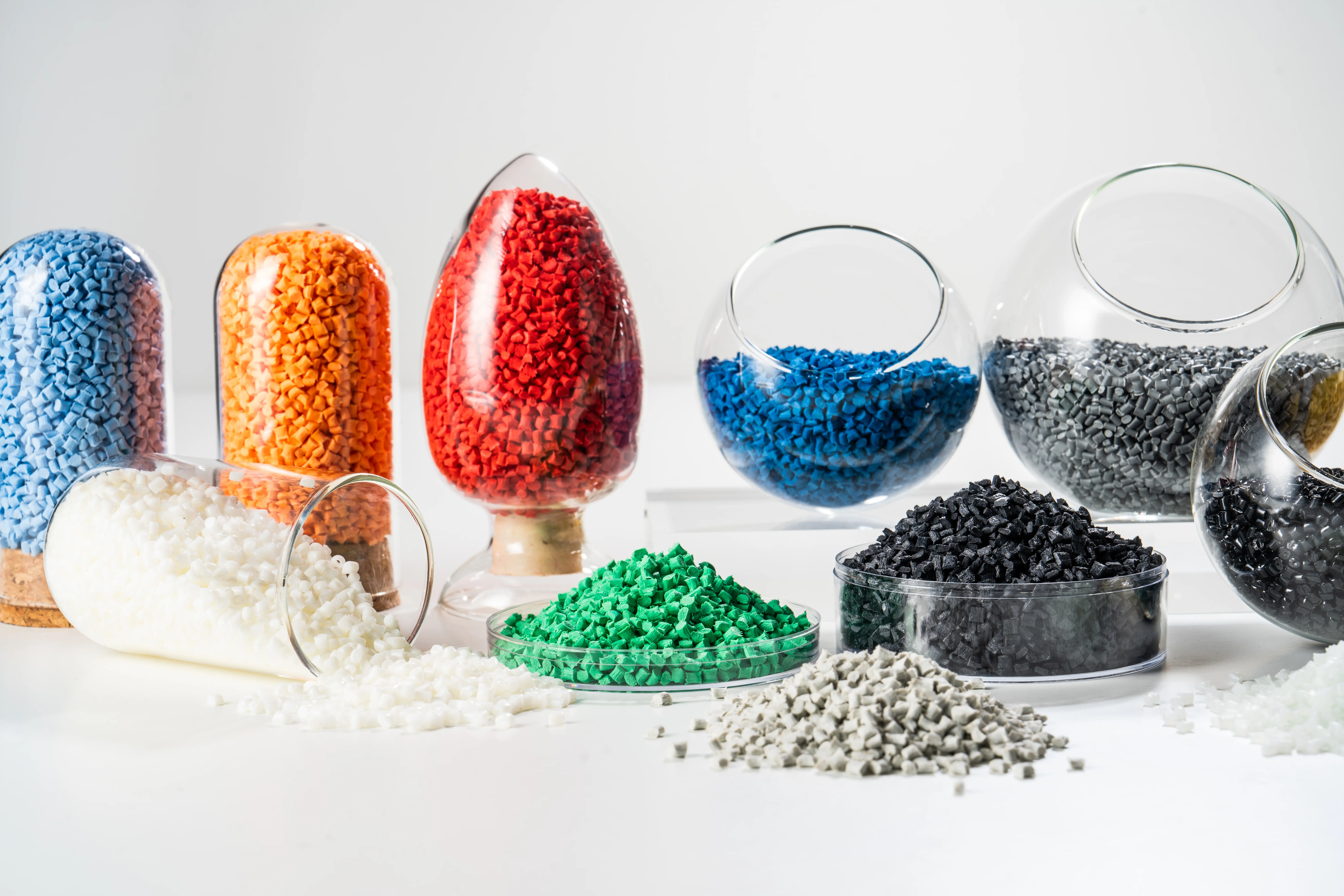
Comprehensive range of high-performance materials including ABS, PA, PPA, PPS, PLA, PETG, PET, and PC for industrial applications
Aliz 3D Printing Pellet is specifically designed for Large Format Additive Manufacturing (LFAM) and Fused Granular Fabrication (FGF) processes.
Our pellet portfolio encompasses an extensive selection of thermoplastics and composites, engineered to address the precise requirements of your applications—spanning flexibility, durability, rigidity, strength, stability, transparency, tactile qualities, temperature resistance, and beyond.
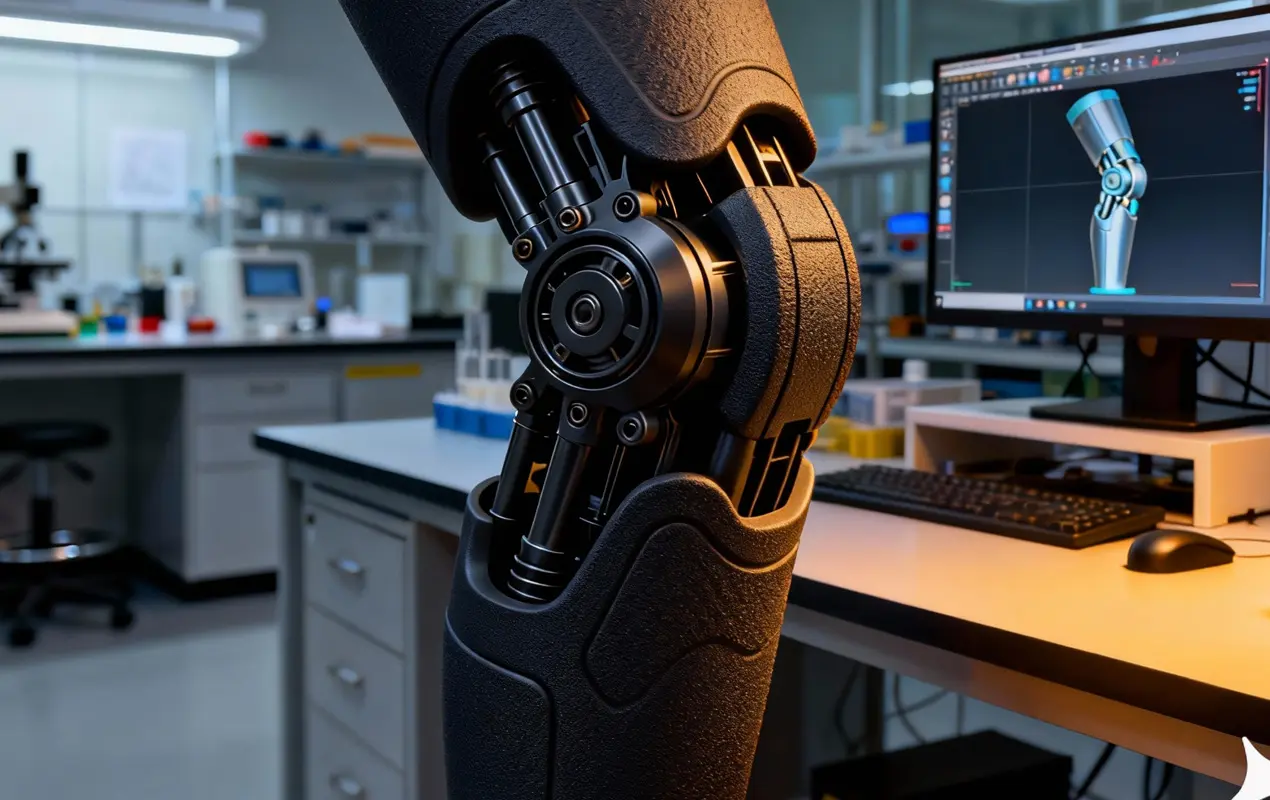
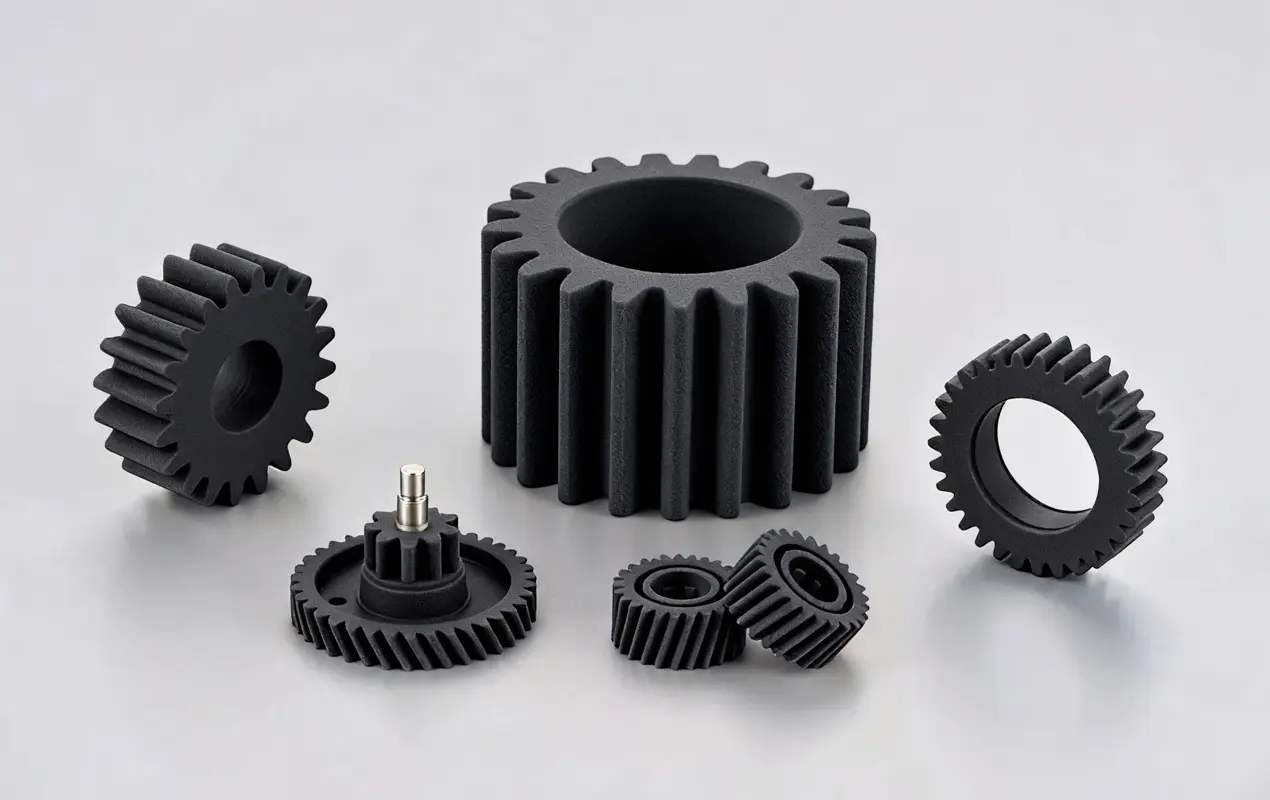
Explore some of the groundbreaking applications made possible by our advanced 3D printing materials, showcasing the versatility and performance of our product range.
| Material | Key Characteristics | Common Applications |
|---|---|---|
| PLA | Biodegradable, easy to print, good surface finish | Prototypes, packaging, consumer products |
| PETG | Durable, impact resistant, transparent, food-safe | Containers, mechanical parts, packaging |
| PA | High strength, good chemical resistance, wear resistance | Gears, structural components, functional prototypes |
| ABS | Impact resistance, durability, moderate temperature resistance | Industrial parts, automotive components, consumer goods |
| PET | Strong, flexible, resistant to moisture and chemicals | Packaging, bottles, textile fibers |
| PPS | Excellent thermal stability, chemical resistance, flame retardant | Electrical insulation, high-temperature components |
| PC | High impact strength, transparency, heat resistance | Protective gear, optical components, medical devices |
| TPU | Full colors, high tenacity, impact resistance, wear resistance | Protective gear, footwear, and mobile phone cases |
Each series under Aliz 3D Printing Pellet is engineered with specific applications in focus, spanning from industrial fixtures and modular interiors to aerospace prototypes and precision tooling.
Our materials are engineered to deliver superior performance and reliability, providing numerous advantages for your 3D printing projects across various industries and applications.
Covers raw polymers, thermoplastics, and even composite materials integrated with additives like glass or carbon fibers.
Compatible with a diverse range of equipment, from desktop 3D printers to robotic arms engineered for large-part manufacturing.
Supports high-volume production with shortened lead times. Compared to filament, it reduces costs by 65-90% per kilogram.
Pellet extrusion with its barrel and screw system enables fast flow rates and deposition rates.
Pellets can be continuously fed into the hopper, ensuring uninterrupted printing operations.
It can thus optimize raw material management, reducing logistics costs and simplifying the entire supply chain.
A key advantage of 3D pellet printing is direct multi-material mixing in the print head; it also lets you add color additives to pellets for single-print multicolored parts, creating uniquely customized components.
Using pellets in 3D printing makes it possible to obtain parts with the same chemical and physical properties obtained with injection molding.
Minimizes plastic waste and carbon footprint, contributing to a safer and more sustainable environment.
3D printing users constrained by FDM's bottlenecks—whether it's sluggish throughput, restrictive build sizes, or steep material costs—might discover pellet 3D printing as a more fitting alternative.
The trade-off? A slight compromise on print resolution and the ability to produce highly intricate part geometries.
For industrial applications where speed, cost-effectiveness, and material performance are prioritized over detail, Aliz 3D Printing Pellets offer an ideal solution.
Benefit from the knowledge of our engineers.
They will answer your enquiries.
Get our brochure.
Explore all the materials and possibilities of Aliz Pellets.
Request a free consultation.
Our dedicated sales team will be pleased to offer you the best solution.