


Fit Most FDM 3D Printers
The all-new AMS lite is elegant and reliable, making multi-color 3D printing accessible to everyone.


Enhanced mechanical properties


Inherits the core advantages of ease of printing from PLA Filament. Additionally, it’s easy for beginners to operate with a stable and smooth printing process.

Exhibits minimal shrinkage during printing, ensuring high-dimensional accuracy for complex geometries and effectively preventing warping.

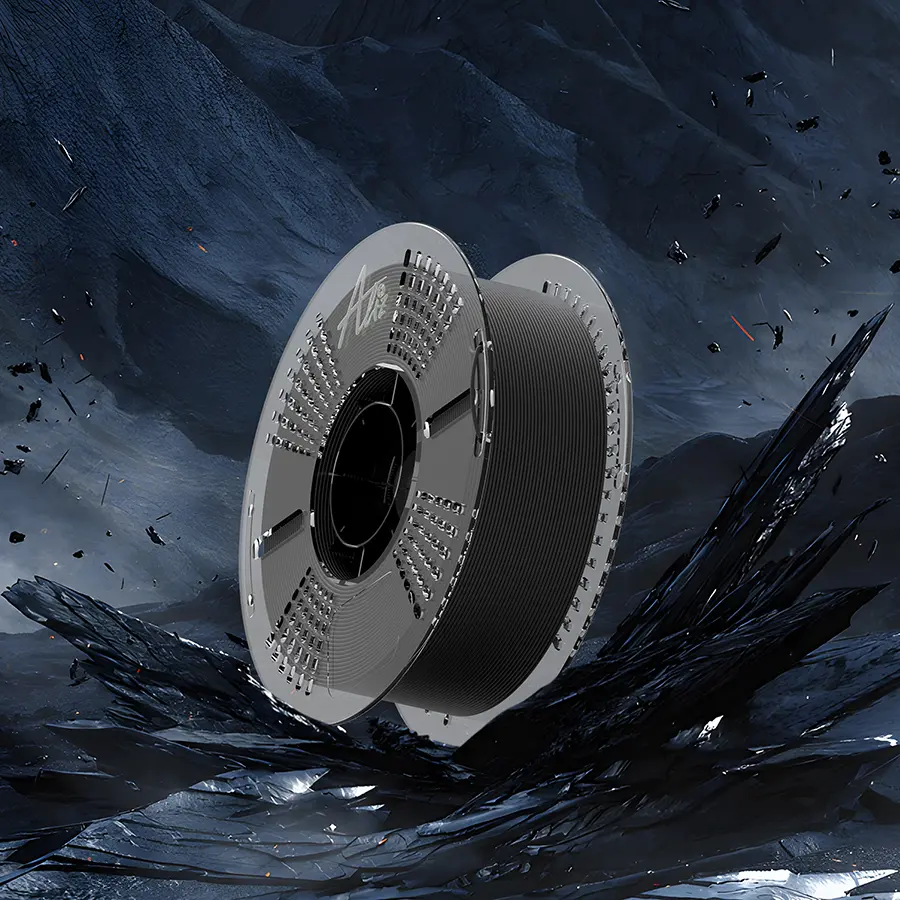
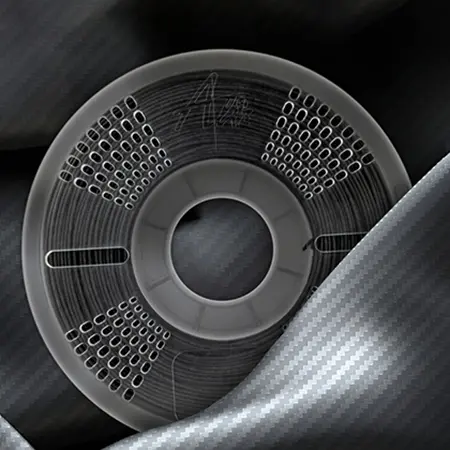
The addition of carbon fiber significantly improves the strength, hardness, and wear resistance of printed parts. Compared with traditional PLA, it has better impact resistance and structural stability, meeting the needs of scenarios that require a certain level of component durability.

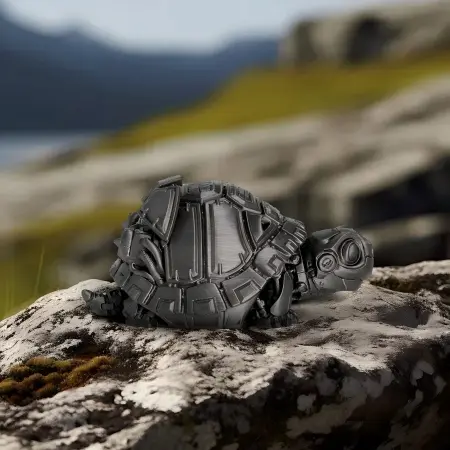
The printed products feature a delicate matte surface with a smooth touch, achieving a simple and high-end appearance without additional post-processing.


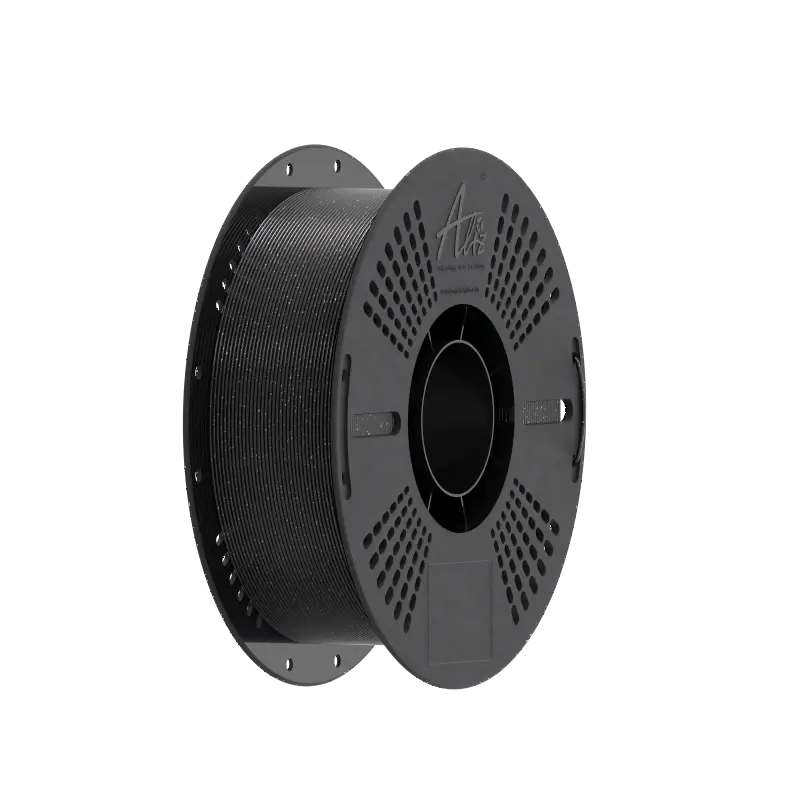
Carbon fiber matte texture reduces layer lines, delivering a refined, professional finish.
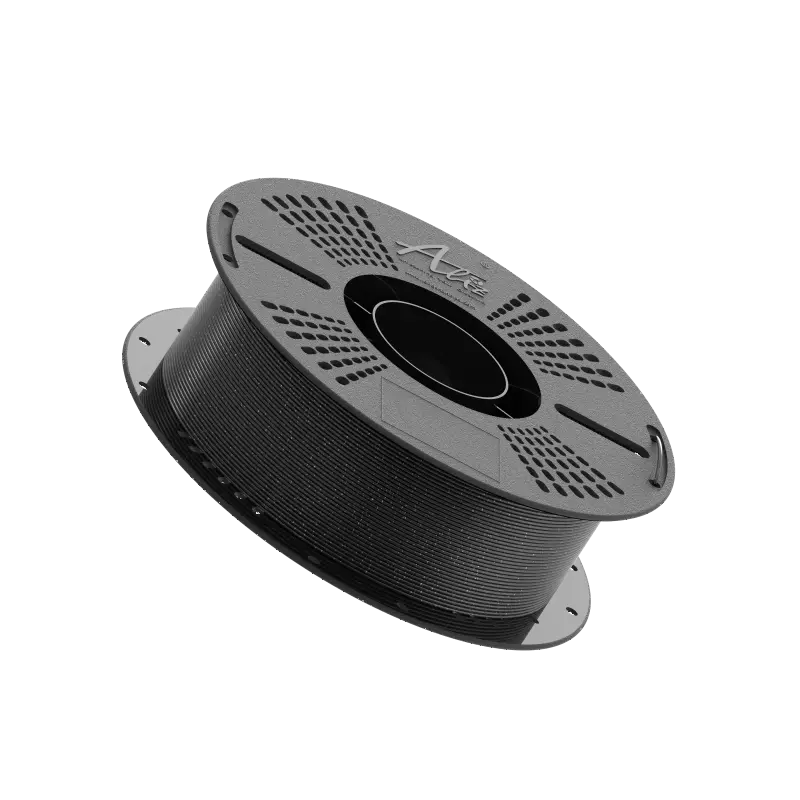


Carbon fiber improves material shrinkage on cooling and reduces warpage.
The all-new AMS lite is elegant and reliable, making multi-color 3D printing accessible to everyone.
| Property | Testing Method | Testing Condition | Injection Molding Typical Value | 3D Printing X-Y Axis Typical Value | 3D Printing Z Axis Typical Value | Unit |
| Tensile Strength | ISO 527 | 50mm/min | 75 | 49.3±4 | 20.6± | MPa |
| Elongation at Break | ISO 527 | 50mm/min | 2.7 | 2.4±1 | 1.2±0.2 | % |
| Tensile Modulus | ISO 527 | 50mm/min | 5541.7 | 3519.8±100 | 2564.9±100 | MPa |
| Flexural Strength | ISO 178 | 2mm/min | 100.5 | 66±4 | 41.4±4 | MPa |
| Flexural Modulus | ISO 178 | 2mm/min | 5947.5 | 3673.3±100 | 2510±100 | MPa |
| Charpy Impact Strength | ISO 179 | 23℃ | 17.2 | 7.3±2 | 5±1 | KJ/㎡ |
| Izod Impact Strength | ISO 180 | 23℃ | 16.2 | 6.9±2 | 4.8±1 | KJ/㎡ |
| Property | Testing Method | Testing Condition | Typical Value | Unit |
| Density | ISO 1183 | Immersion | 1.25 | g/cm3 |
| Melt Flow index(MFR) | ISO 1133 | 210℃/2.16kg | 2-7 | g/10 min |
| Property | Testing Method | Testing Condition | Injection Molding Typical Value | 3D Printing Typical Value | Unit |
| Moisture Absorption | ISO 62 | 50%RH*23℃ | 0.4 | 0.42 | % |
| Property | Testing Result |
| Weak Acid Resistance | Not Resistant |
| Strong Acid Resistance | Not Resistant |
| Weak Base Resistance | Not Resistant |
| Strong Base Resistance | Not Resistant |
| Organic Solution Resistance | Not Resistant |
| Property | Testing Method | Testing Condition | Injection Molding Typical Value | 3D Printing X-Y Axis Typical Value | 3D Printing Z Axis Typical Value | Unit |
| Glass Transition Temperature | DSC | 10℃/min | 65.3 | ℃ | ||
| Melting Point | DSC | 10℃/min | 147.9 | ℃ | ||
| Decomposition Temperature | TGA | 20℃/min | N/A | ℃ | ||
| Heat Distortion Temperature | ISO 75 | 0.45MPa | 58.6 | 58.6 | 57.6 | ℃ |
| Heat Distortion Temperature | ISO 75 | 1.8MPa | 56.8 | 56.9 | 54.9 | ℃ |
| Vicat Softening Temperature | ISO 306 | 50℃/10N | 67 | 62.7 | 62.4 | ℃ |
| Printing Temperature | 220-235(℃) |
| Bed Temperature | 50-60(℃) |
| Wall Layers | 2 Layers |
| Top and Bottom Layers | 4 Layers |
| Infill | 100% |
| Ambient Temperature | 25℃ |
| Cooling Fan | 0-10% |
| Printing Speed | 30-50(mm/s) |
| Nozzle Diameter | 0.4 mm |
| Printing Temperature | 230(℃) |
| Bed Temperature | 55(℃) |
| Wall Layers | 2 Layers |
| Top and Bottom Layers | 4 Layers |
| Infill | 100% |
| Ambient Temperature | 25℃ |
| Cooling Fan | 10% |
| Printing Speed | 50(mm/s) |
| Nozzle Diameter | 0.4 mm |

Jiangyin Longshan Synthetic Materials Co., Ltd. is a modified plastics company integrating R&D, production and sales, specializing in the development of medium and high-end modified materials.