
You are here: Home » Products » 3D Printer Filament » PLA » PLA+ Basic 3D Printer Filament

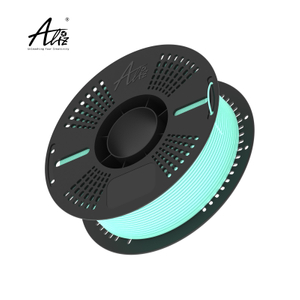
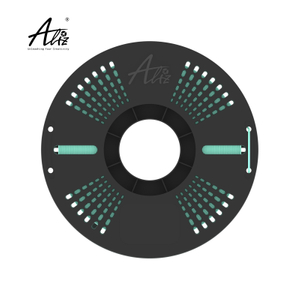
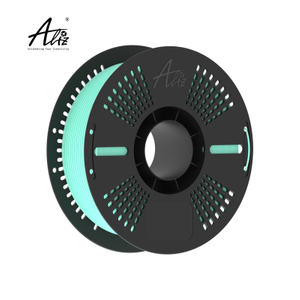
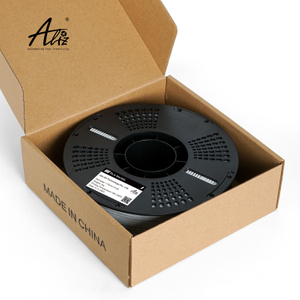
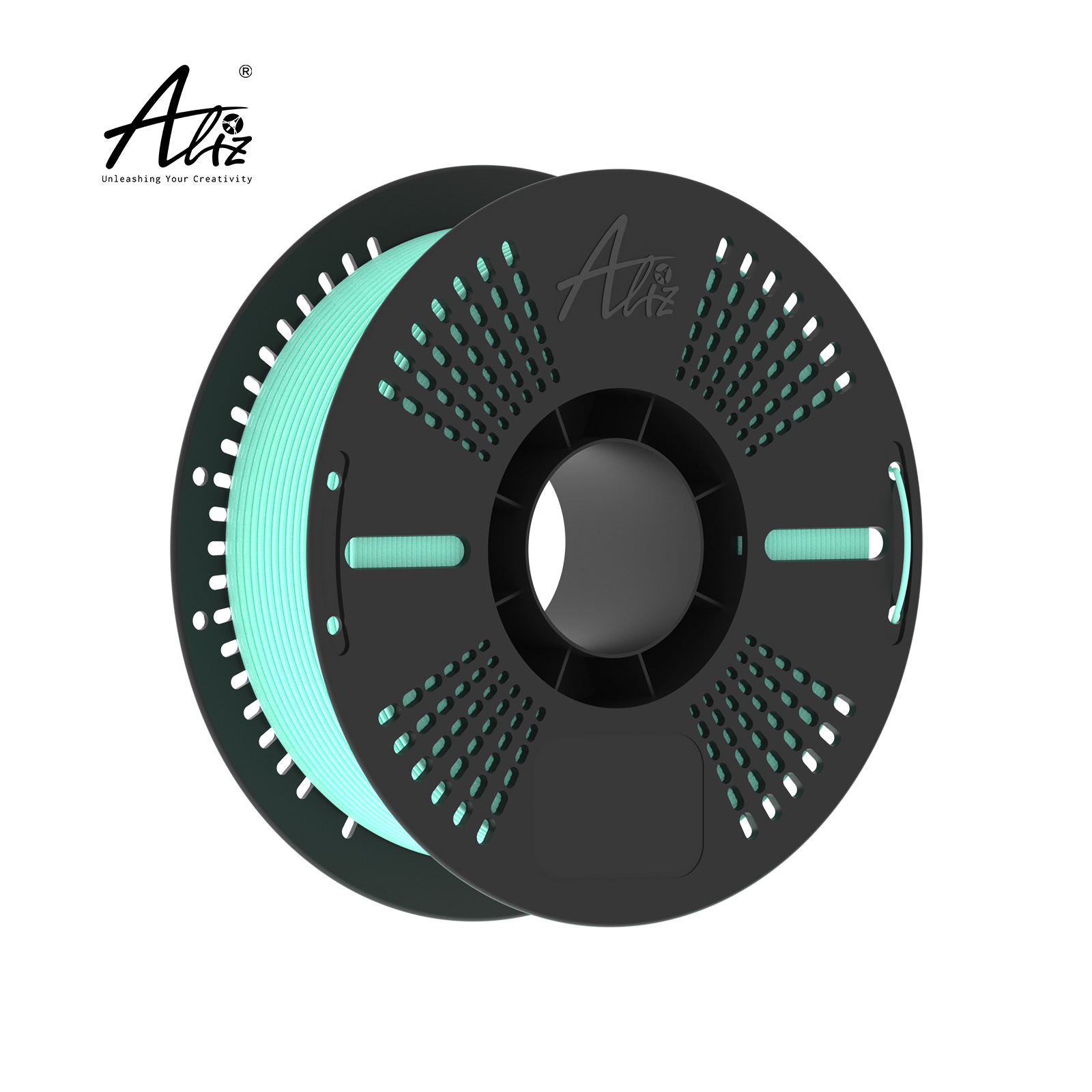
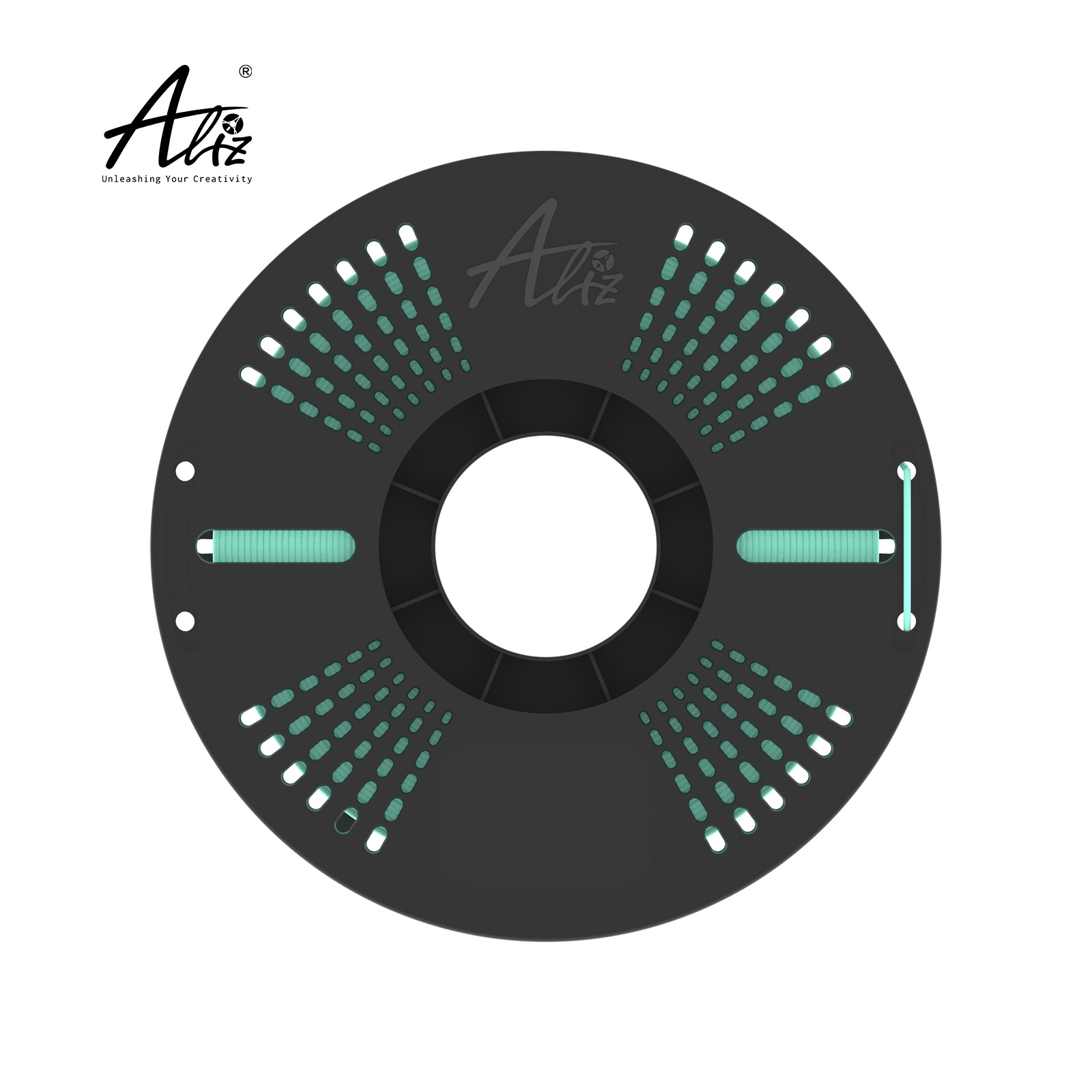
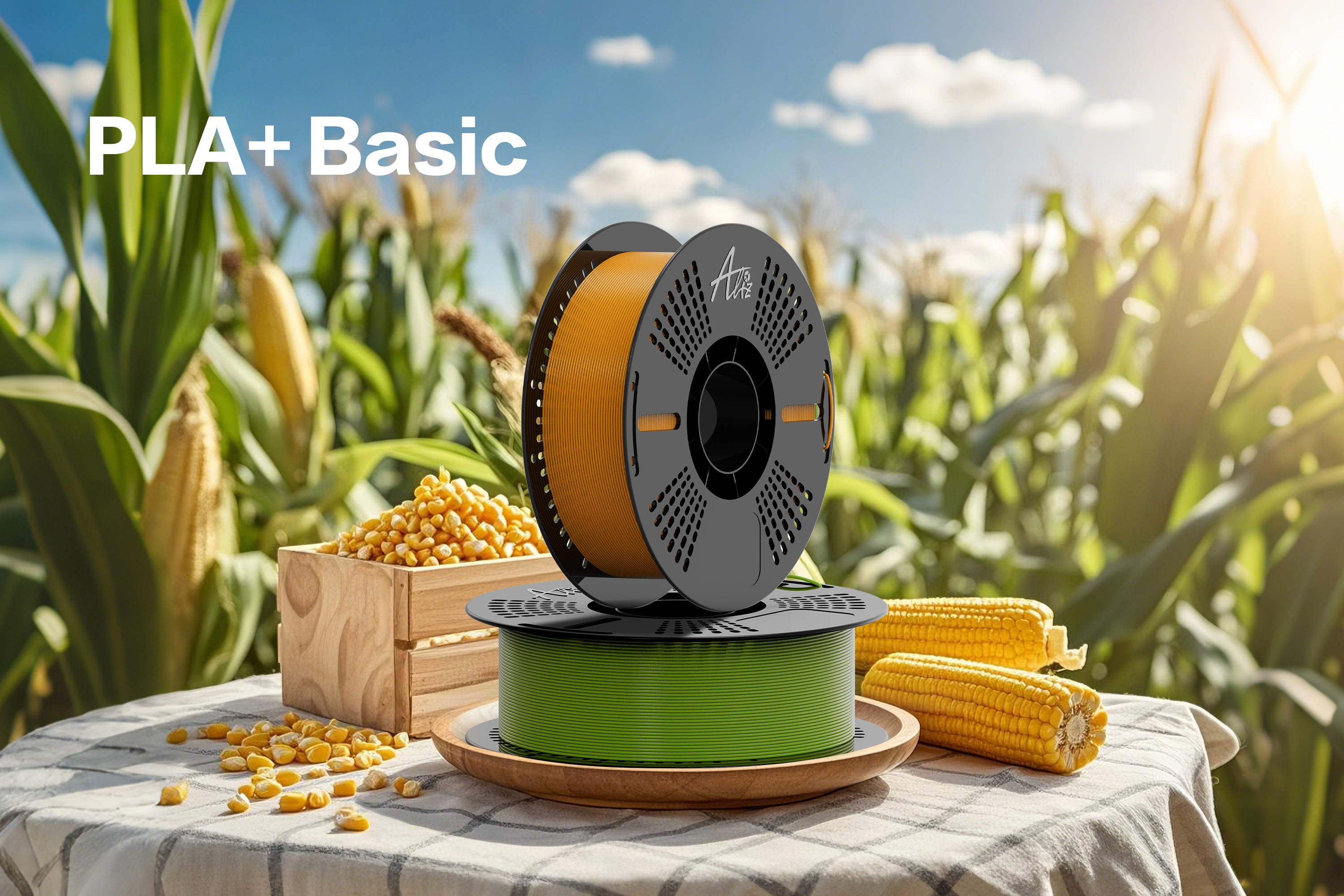
PLA+ Basic 3D Printer Filament

Share to:
facebook sharing button
twitter sharing button
line sharing button
wechat sharing button
linkedin sharing button
pinterest sharing button
whatsapp sharing button
kakao sharing button
snapchat sharing button
sharethis sharing button
1. Enhanced Impact Resistance
2. Exceptional Layer Adhesion
3. Minimal Stringing & Oozing
4. Extended Service Life
5. Easy to Print
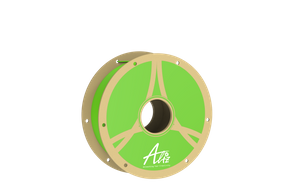
Diameter: 1.75mm/2.85mm
Weight of each roll: 1kg/2.5kg
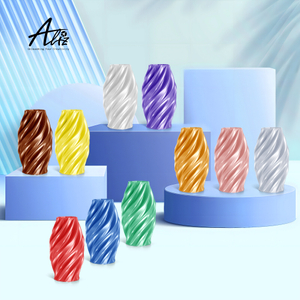
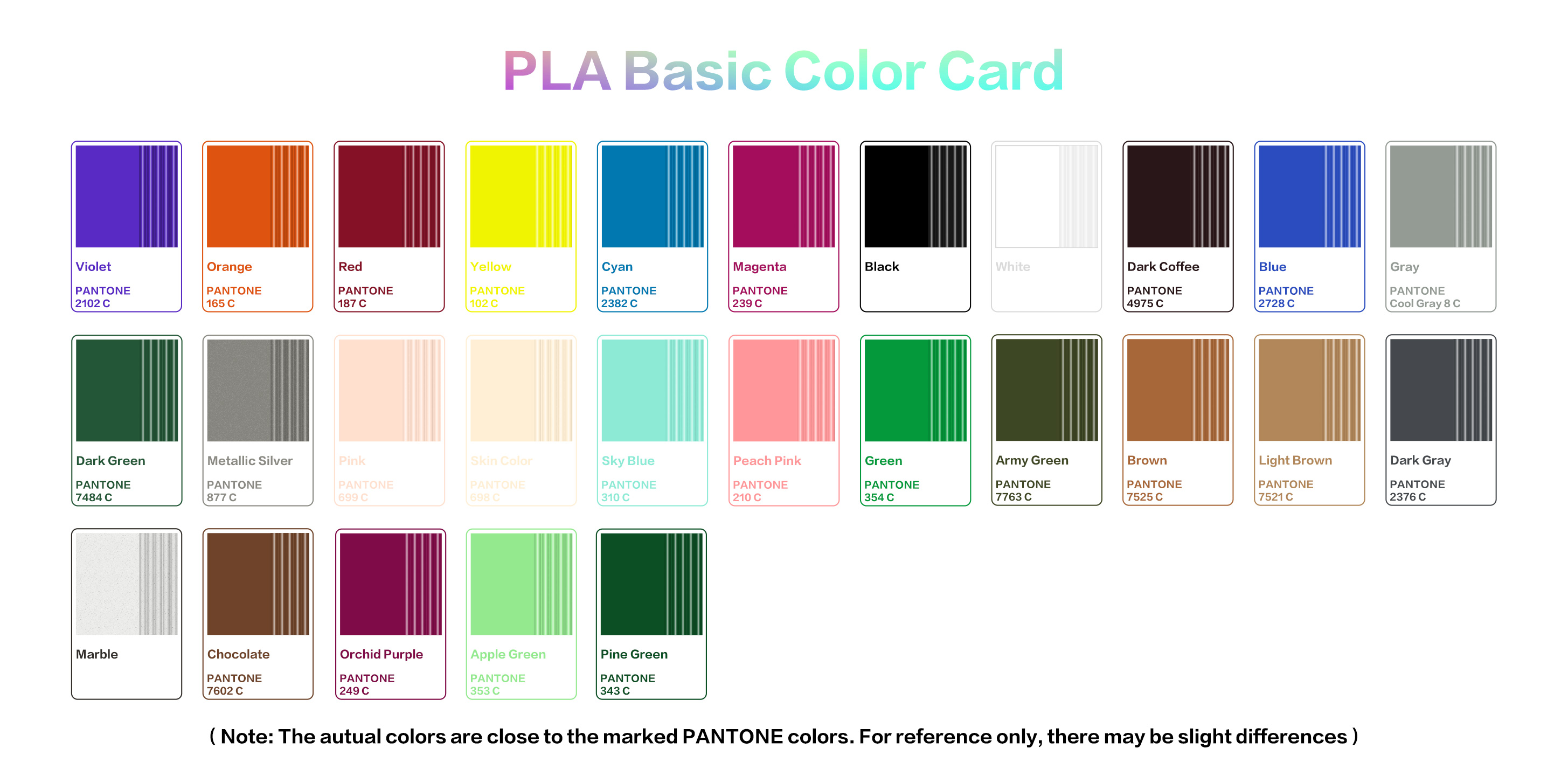
Color:
Availability:
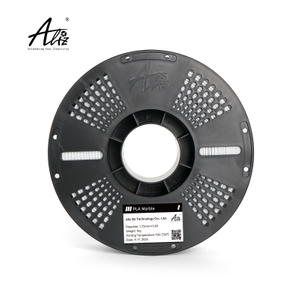
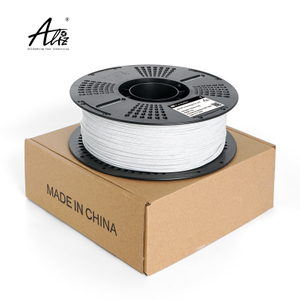
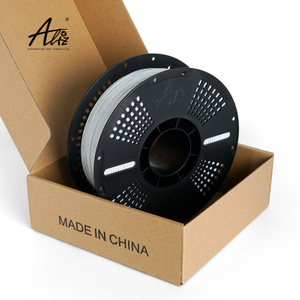
Aliz PLA+ Basic is a Modified formulation of the widely used polylactic acid (PLA) filament, specially engineered to overcome some of the common limitations of traditional PLA. Designed for both hobbyists and professionals, this upgraded material retains the ease-of-use and eco-friendly characteristics of traditional PLA while significantly improving toughness, durability, and printability. With enhanced impact resistance, superior layer adhesion, reduced stringing, and an extended service life, Aliz PLA+ Basic offers a more robust solution for a wider range of 3D Printing applications.

With Aliz PLA+ Basic, you get the best of both worlds — the ease of use and sustainability of PLA combined with the strength and longevity needed for real-world applications.
Key Features
  • Enhanced Impact Resistance
    Enhanced Impact Resistance: Unlike traditional PLA which is prone to be brittle, Aliz PLA+ Basic is formulated to absorb more energy before fracturing, making it highly suitable for printed parts that require toughness.
  • Exceptional Layer Adhesion
    Exceptional Layer Adhesion: Ensures strong interlayer bonding, resulting in higher mechanical strength and better structural integrity of printed parts.
  • Minimal Stringing & Oozing
    Minimal Stringing & Oozing: Optimized for clean printing with minimal stringing, ensuring smoother surface finishes and less post-processing work.
  • Extended Service Life
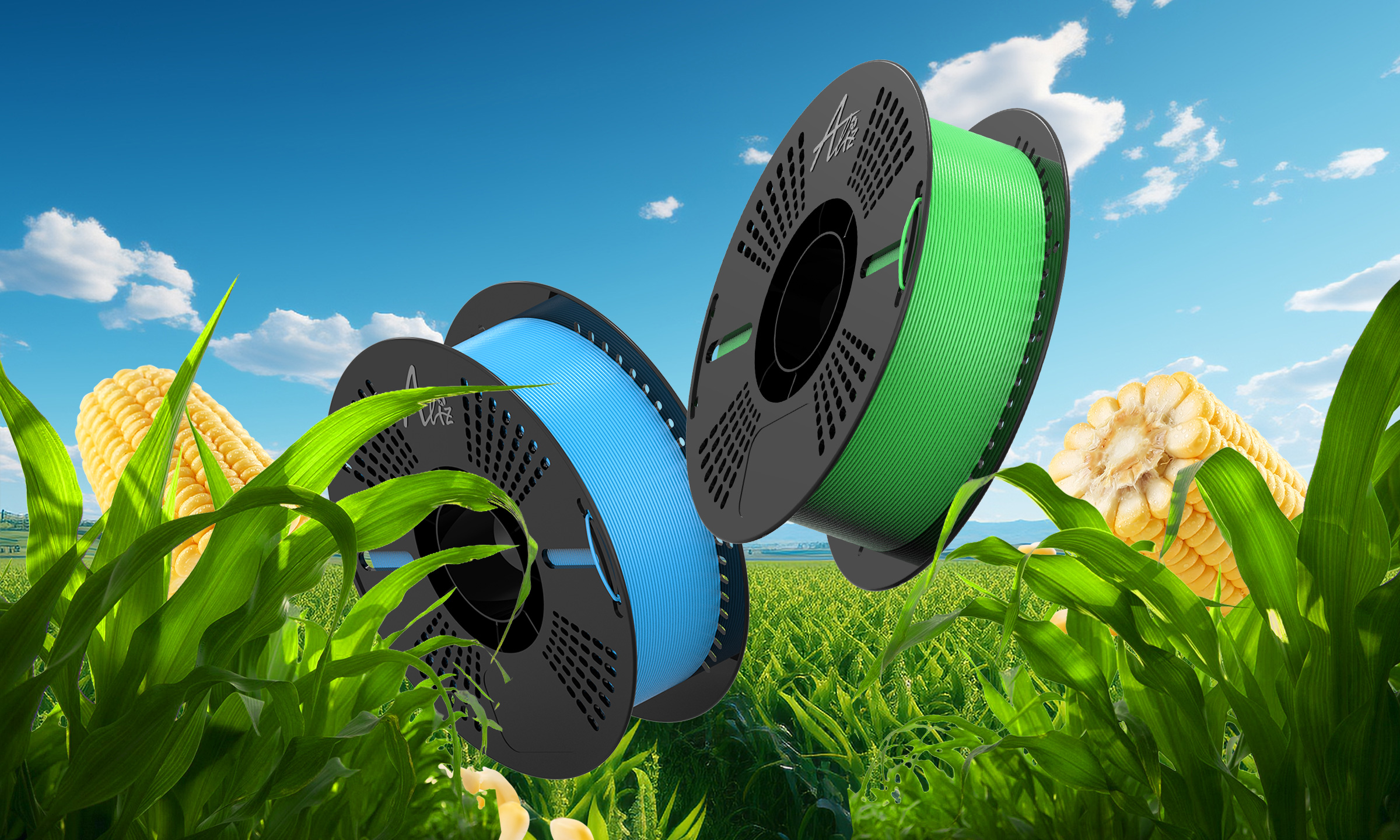
    Extended Service Life: The natural biodegradation cycle of Aliz PLA+ Basic is delayed, allowing for longer-lasting parts without compromising its environmentally friendly property.
  • Easy to Print
    Easy to Print: Maintains the user-friendly properties of standard PLA — no heated bed required, low warping, and excellent dimensional accuracy.
PLA+ Basic VS Traditional PLA
PLA+ Basic and PLA share the same environmentally friendly formulation, but PLA+ Basic has optimized its layer adhesion and integrated strength, as well as more stain finishing.
Functional Prototyping
Functional Prototyping: Ideal for creating durable prototypes that can withstand handling and testing to some extent.
Educational Use
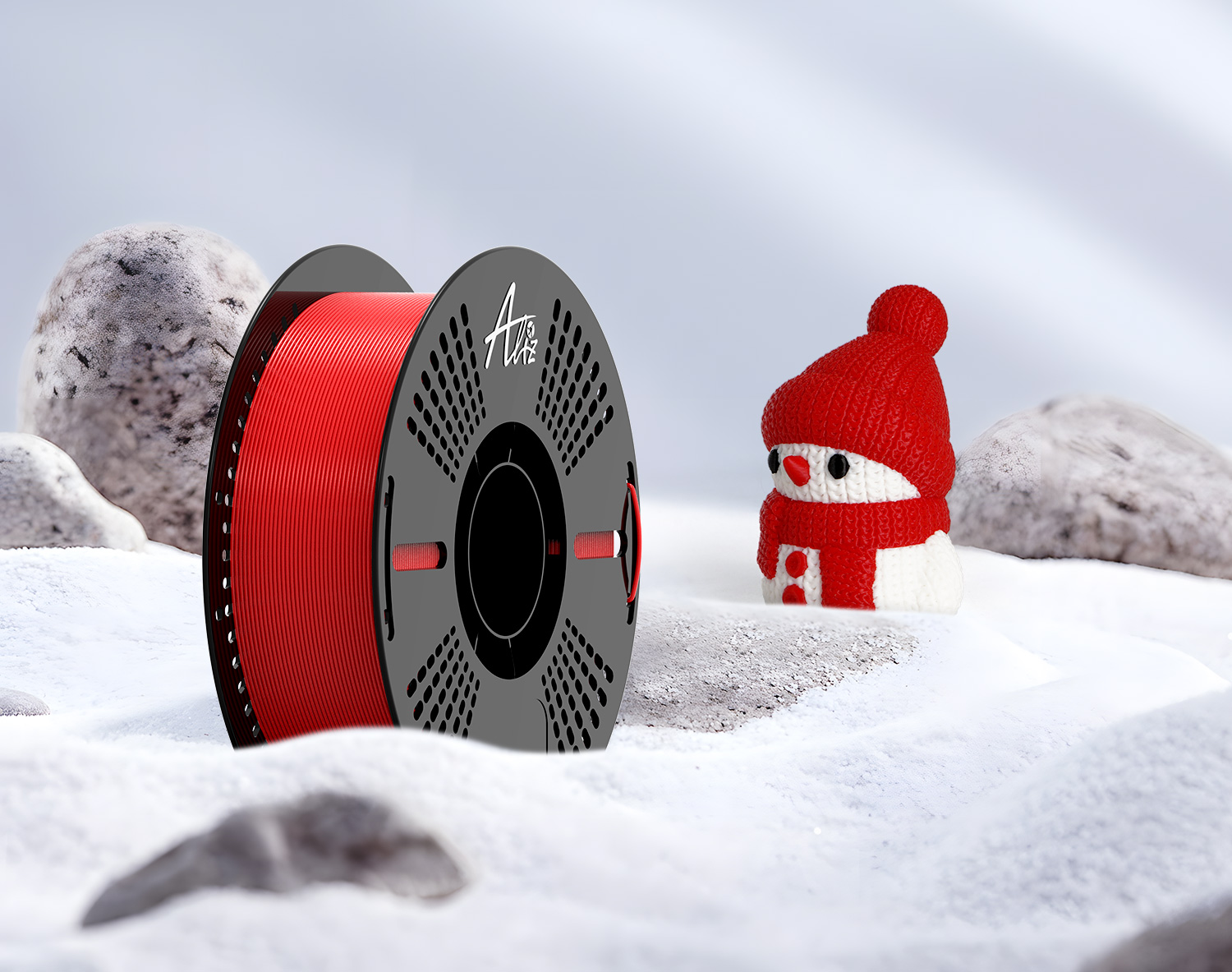
Educational Use: Great for schools and makerspaces due to its ease of use and improved durability.
Display Models & Artwork
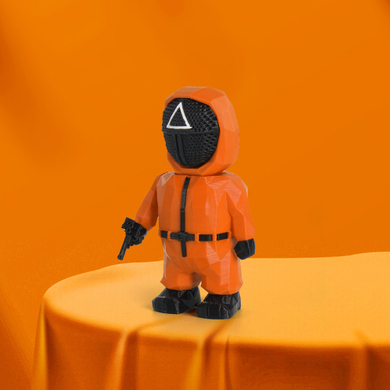
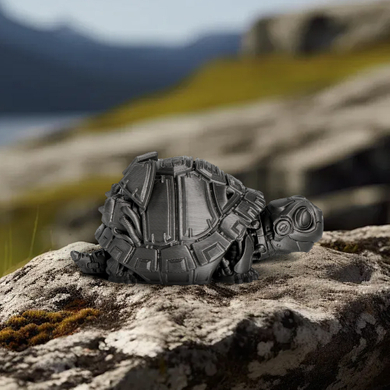
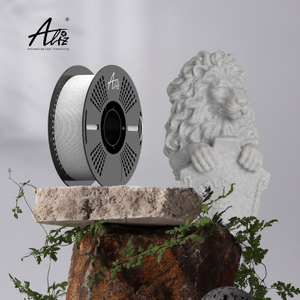
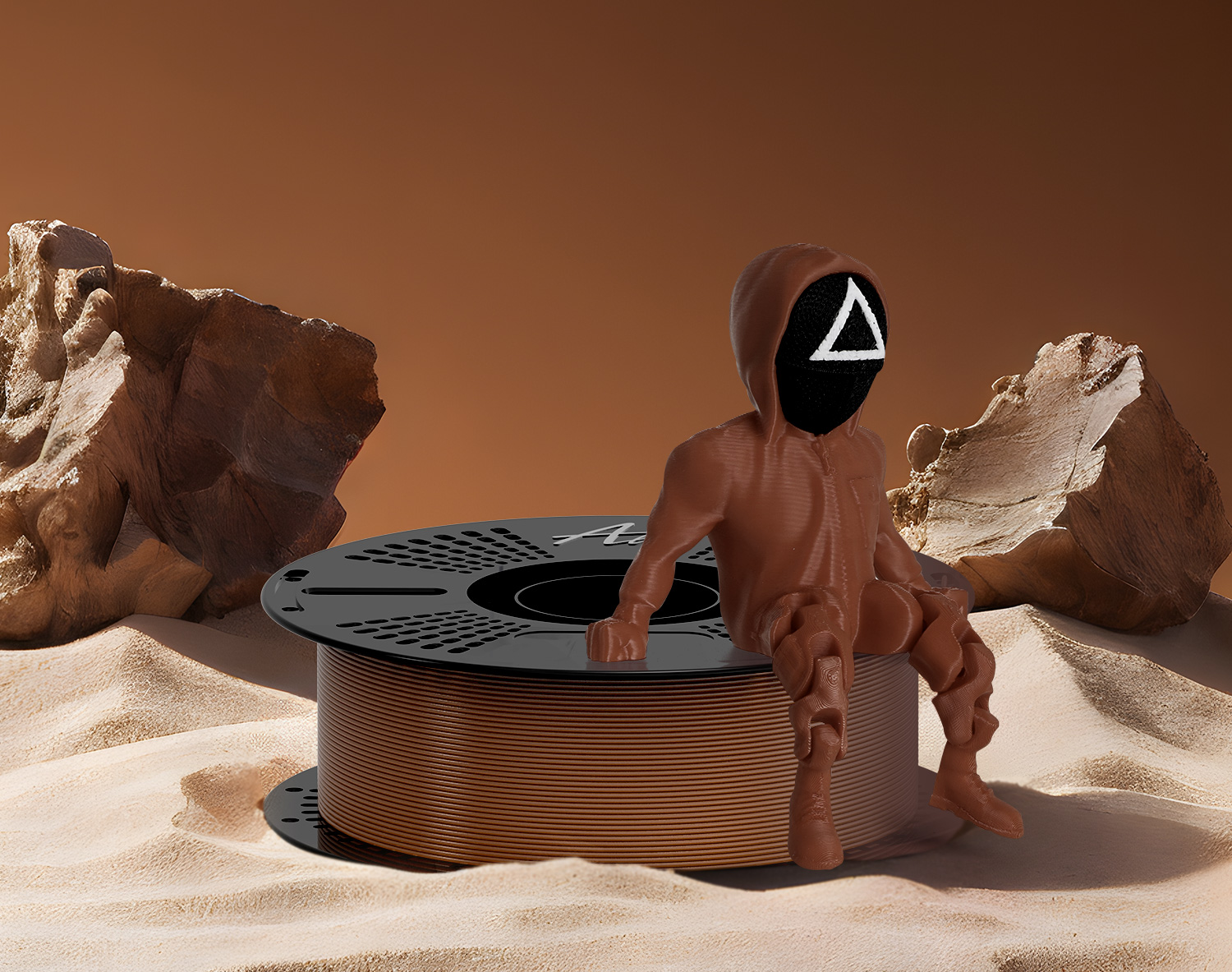
Display Models & Artwork: Offers fine detail resolution and smooth surface finish, perfect for visual models and artistic creations.

Applications of PLA+  Basic
____________________________
PLA+ Basic is an excellent choice for those who need the ease of printing that PLA offers but with the added benefit of improved impact resistance. Whether you're a maker looking to create more functional parts or a professional prototyping tougher components, PLA+ Basic opens up a range of new possibilities without sacrificing the print quality and user-friendliness that standard PLA is known for.
Mechanical Properties
Property Testing Method Testing Condition Injection Molding Typical Value 3D Printing X-Y Axis Typical Value 3D Printing  Z Axis Typical Value Unit
Tensile Strength ISO 527 50mm/min 63.33 34.74±4 30.34±4 MPa
Elongation at Break ISO 527 50mm/min 3.31 5.18±1 1.6±0.2 %
Tensile Modulus ISO 527 50mm/min 2408.34 2200.4±100 2057.5±100 MPa
Flexural Strength ISO 178 2mm/min 91.04 58.36±4 44.31±4 MPa
Flexural Modulus ISO 178 2mm/min 3646.67 2326.67±100 2057.5±100 MPa
Charpy Impact Strength ISO 179 23℃ 24.73 18±2 7.54±1 KJ/㎡
Izod Impact Strength ISO 180 23℃ 18.1 12.66±2 6.44±1 KJ/㎡

Physical Properties
Property Testing Method Testing Condition Typical Value Unit
Density ISO 1183 Immersion 1.17 g/cm3
Melt Flow index(MFR) ISO 1133 210℃/2.16kg 2-7 g/10 min

Moisture Absorption
Property Testing Method Testing Condition Injection Molding Typical Value 3D Printing Typical Value Unit
Moisture Absorption ISO 62 50%RH*23℃ 0.5 0.6 %

Chemical Properties
Property Testing Result
Weak Acid Resistance Not Resistant
Strong Acid Resistance Not Resistant
Weak Base Resistance Not Resistant
Strong Base Resistance Not Resistant
Organic Solution Resistance Not Resistant

Thermal Properties
Property Testing Method Testing Condition Injection Molding Typical Value 3D Printing X-Y Axis Typical Value 3D Printing Z Axis Typical Value Unit
Glass Transition Temperature DSC 10℃/min 65.5
Crystallization Temperature DSC 10℃/min 107.7
Melting Point DSC 10℃/min 147.8
Distortion Temperature TGA 20℃/min N/A
Heat Distortion Temperature ISO 75 0.45MPa 57.6 55.3 56.6
Heat Distortion Temperature ISO 75 1.8MPa 56.5 54.8 52.4
Vicat Softening Temperature ISO 306 50℃/10N 61.6 59.6 60

Recommended 3D Printing Parameters
*Based on 0.4 mm nozzle. Printing conditions may vary with different nozzle diameters
Printing Temperature 210-230(℃)
Bed Temperature 50-60(℃)
Wall Layers 2 Layers
Top and Bottom Layers 4 Layers
Infill 100%
Ambient Temperature 25℃
Cooling Fan 0-10%
Printing Speed 30 — 50 (mm/s)
Nozzle Diameter 0.4 mm

3DPrinting Actual Parameters
*All specimens must be left at room temperature for 24 hours before testing. The parameters are based on the Bambulab P1S 3D printer.
Printing Temperature 220(℃)
Bed Temperature 55(℃)
Wall Layers 2 Layers
Top and Bottom Layers 4 Layers
Infill 100%
Ambient Temperature 25℃
Cooling Fan 10%
Printing Speed 50 (mm/s)
Nozzle Diameter 0.4 mm
Inquiry