You are here: Home » Products » 3D Printer Filament » PA » PA-CF 3D Printer Filament Industrial Version

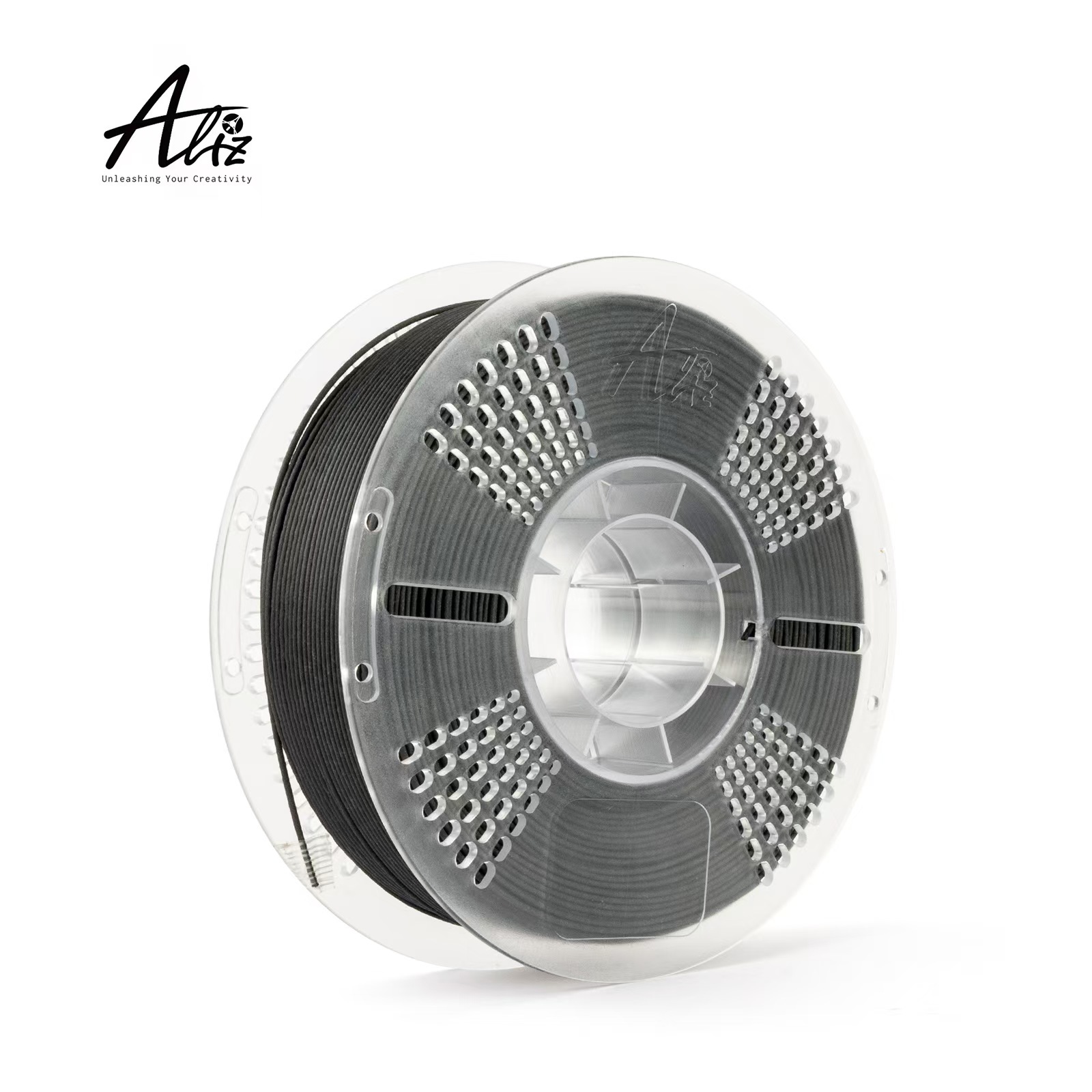
PA-CF 3D Printer Filament Industrial Version

Share to:
facebook sharing button
twitter sharing button
line sharing button
wechat sharing button
linkedin sharing button
pinterest sharing button
whatsapp sharing button
kakao sharing button
snapchat sharing button
sharethis sharing button
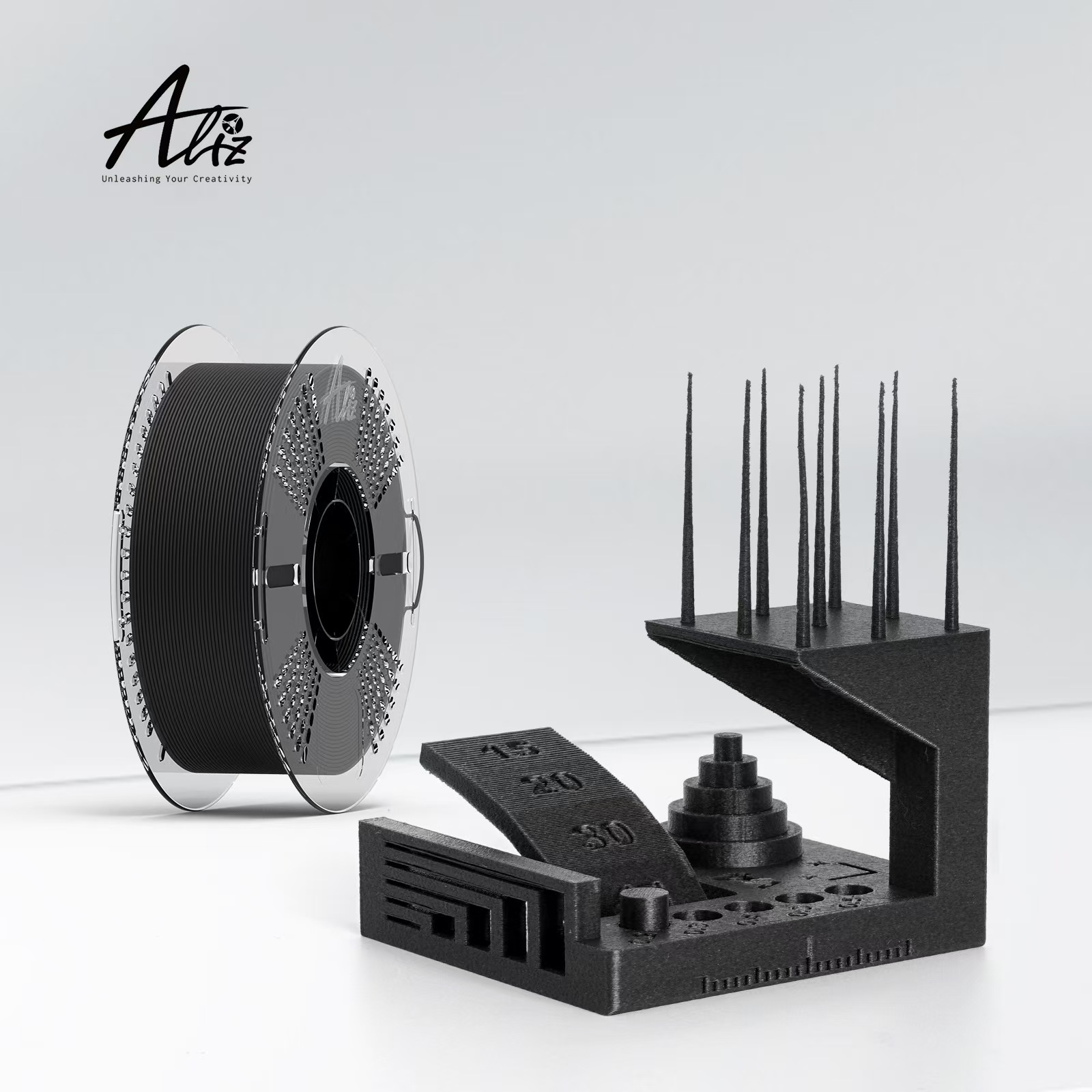
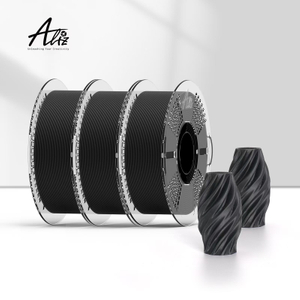
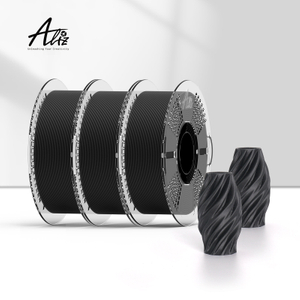
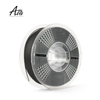
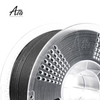
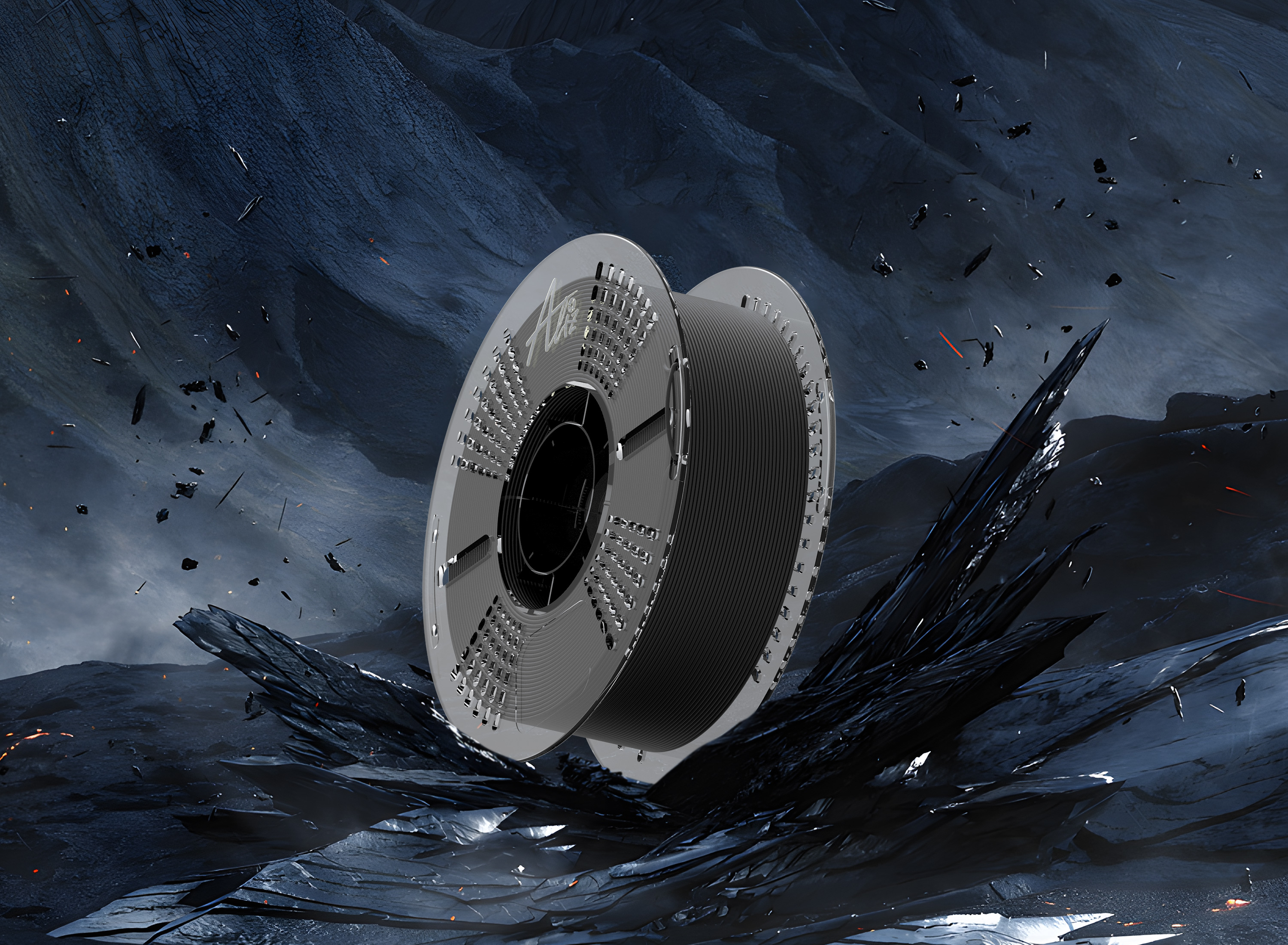
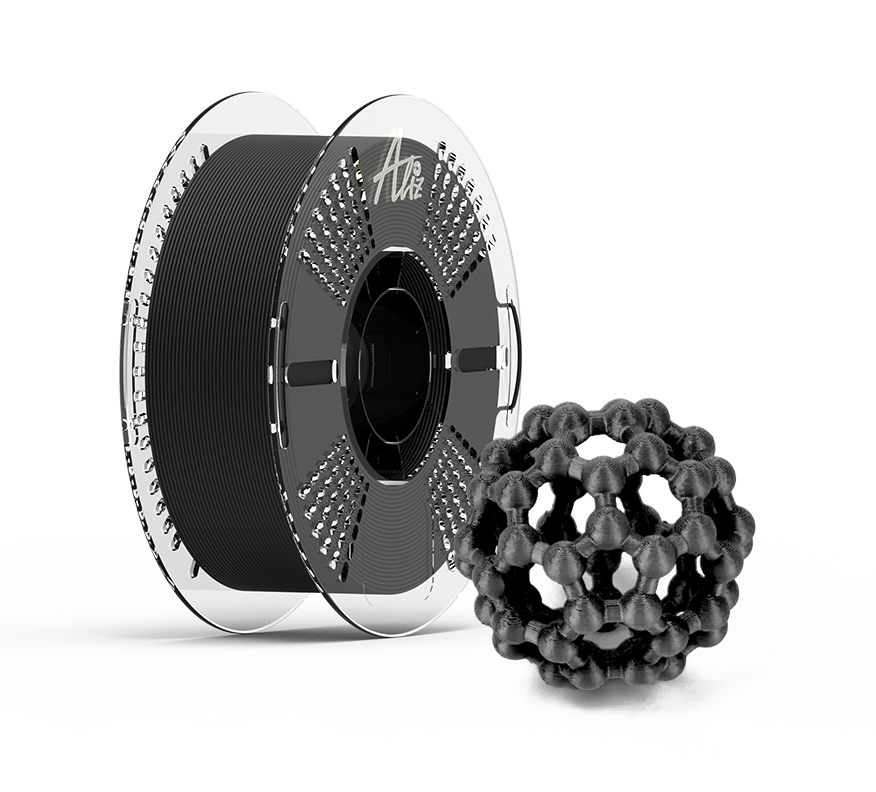
PA-CF Industrial, with a carbon fiber content up to 15%.
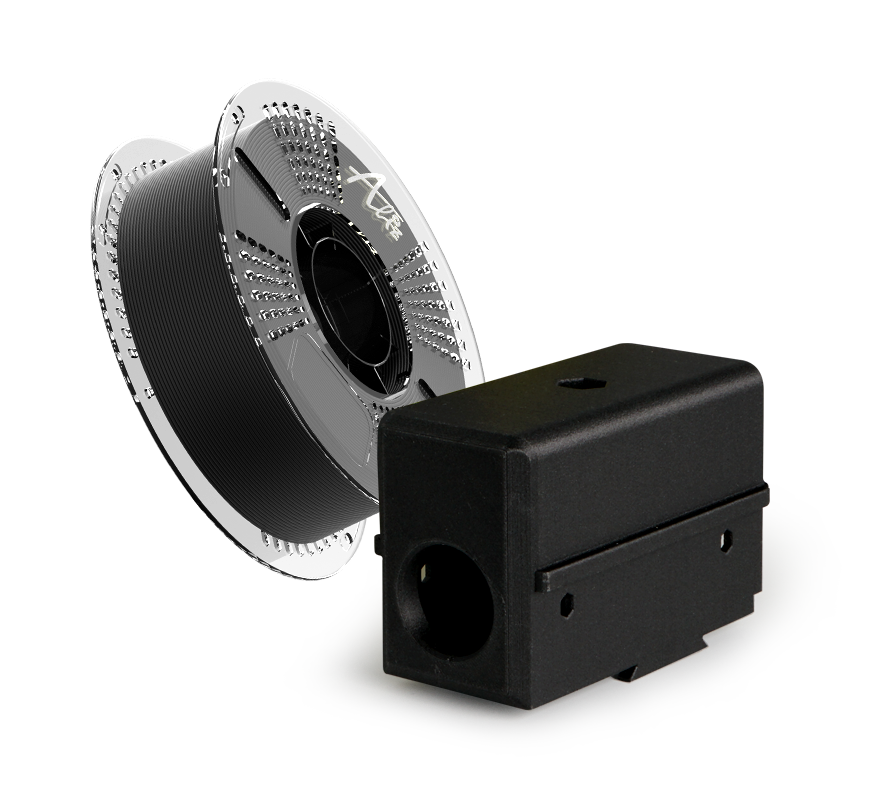
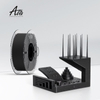
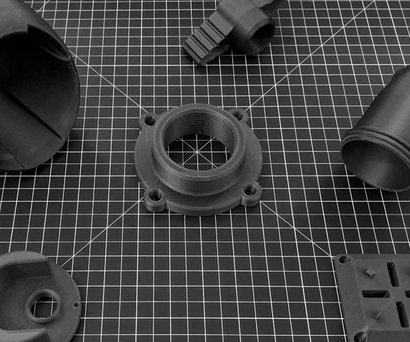
PA-CF 3D Printing Filament is a polymer of polyamide (commonly known as Nylon) and carbon fiber that is capable of printing on an unheated platform with almost no warping and performs well in tensile and impact strength. After adding carbon fiber to the nylon-based on 3D Printing Filaments, Nylon's strength, stiffness, toughness have been significantly enhanced, which is an alternative to metal in many occasions.
Diameter:
Weight of each roll:
Availability:
PA-CF Industrial FDM Printing Filament has features such as high strength, high toughness, high temperature resistance, and low absorption of humidity. Generally, Nylon material is high strength and wear resistant, however, PA-CF Industrial FDM Printing Filament is a kind of polymer nylon filament with best performances that are developed and extracted from common Nylon Filament, generating a brand new Nylon Filament.

When printing, the chamber of the Printer does not need to be heated, as long as the nozzle temperature can be up to 250℃ or more. Distortion temperature of PA-CF Industrial FDM Printing Filament is more than 180℃, so it is a genuine filament developed for Engineering Application, which can be used in many industrial fields.
Advantages
1 -
  • Self-lubrication & Wear Resistance
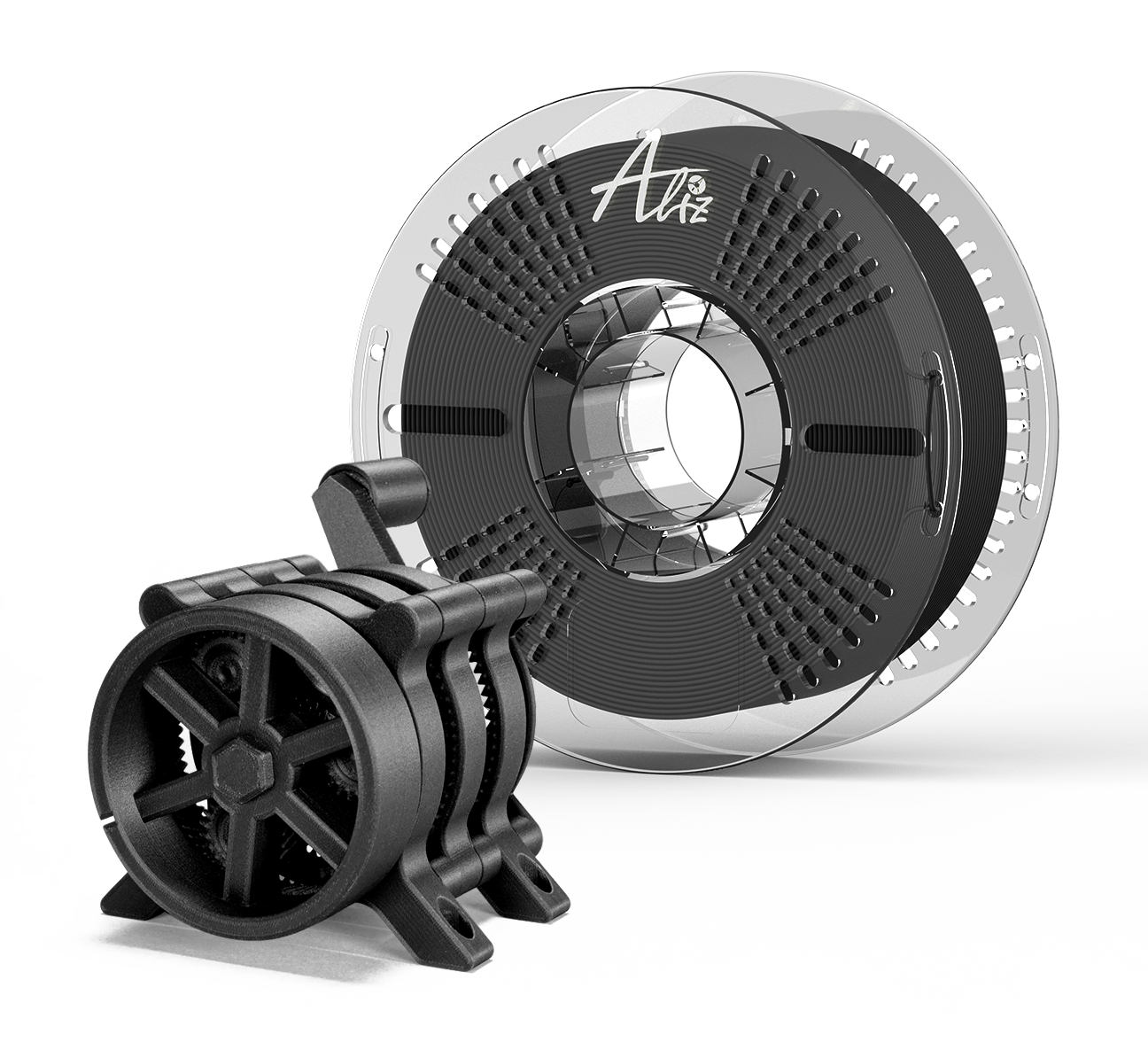
    Self-lubrication and wear resistance make it suitable for gears printing.
  • High Toughness & Impact Resistance
    High toughness and impact resistance make it suitable for durable parts.
  • High Temperature Resistance
    High temperature resistance with distortion temperature up to 170℃.
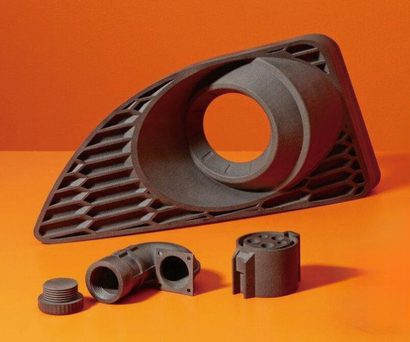
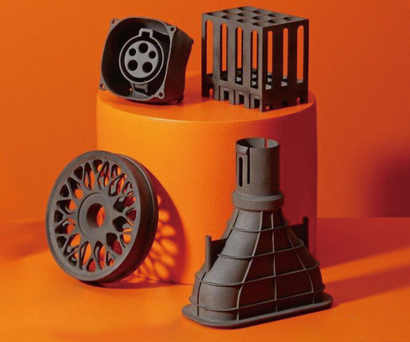
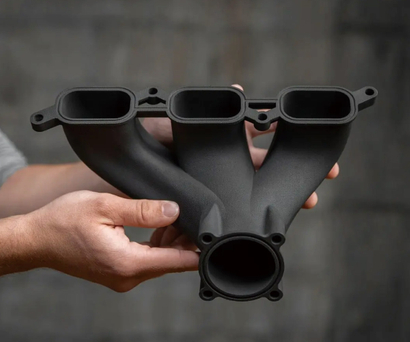
PA-CF Industrial FDM Printing Filament has advantages over other Nylon Materials in high strength, high toughness, high wear-resistance, high temperature resistance, excellent chemical resistance and low absorption of humidity, which make it an ideal choice for some product manufacturing, such as automotive parts, aerospace parts, medical apparatus and instruments.
It is important to note that differences may exist in performances and applications of different Nylon materials, so users are advised to choose 3D Filament based on specific requirements and usage scenarios.
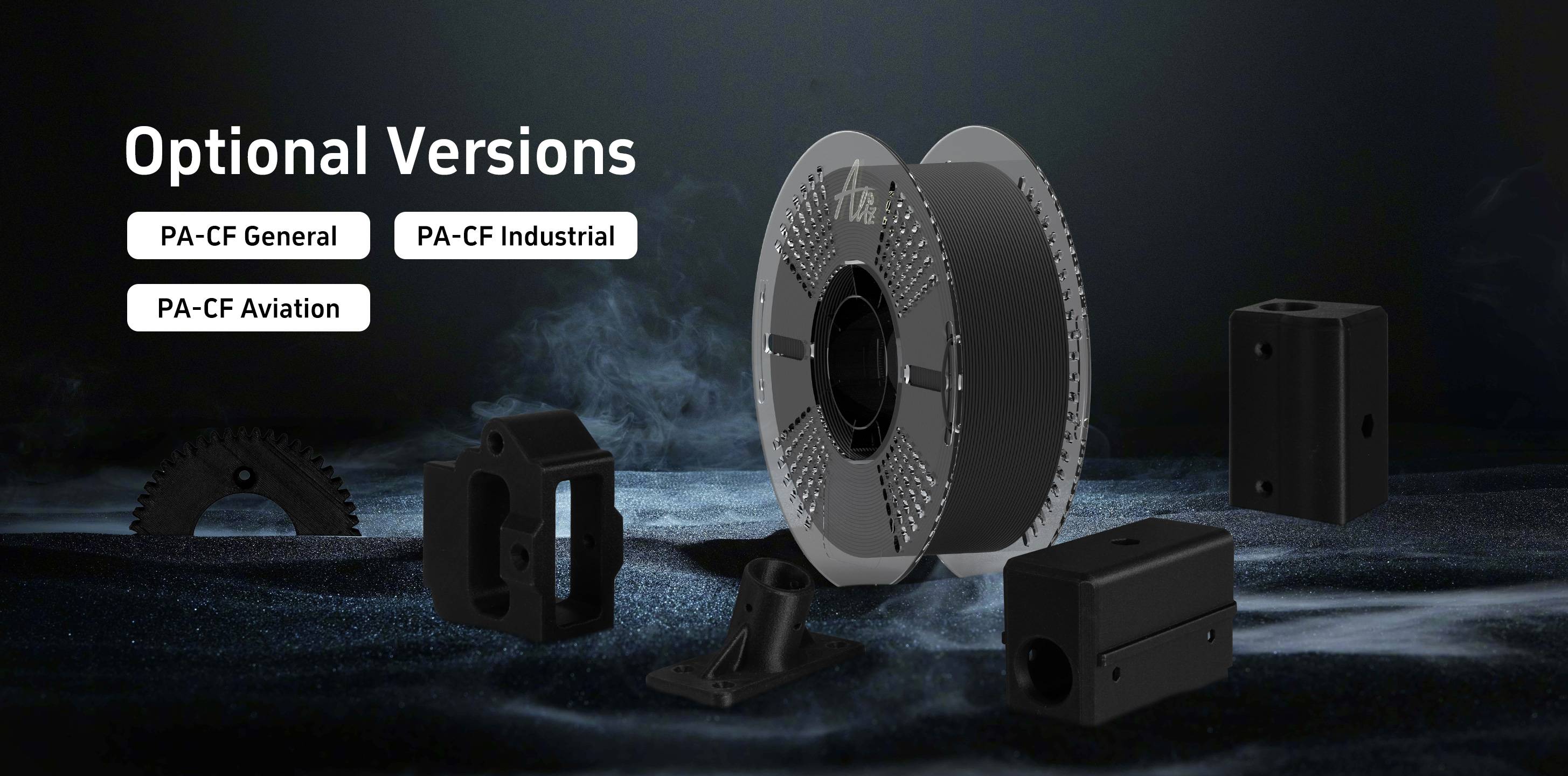
PA-CF General
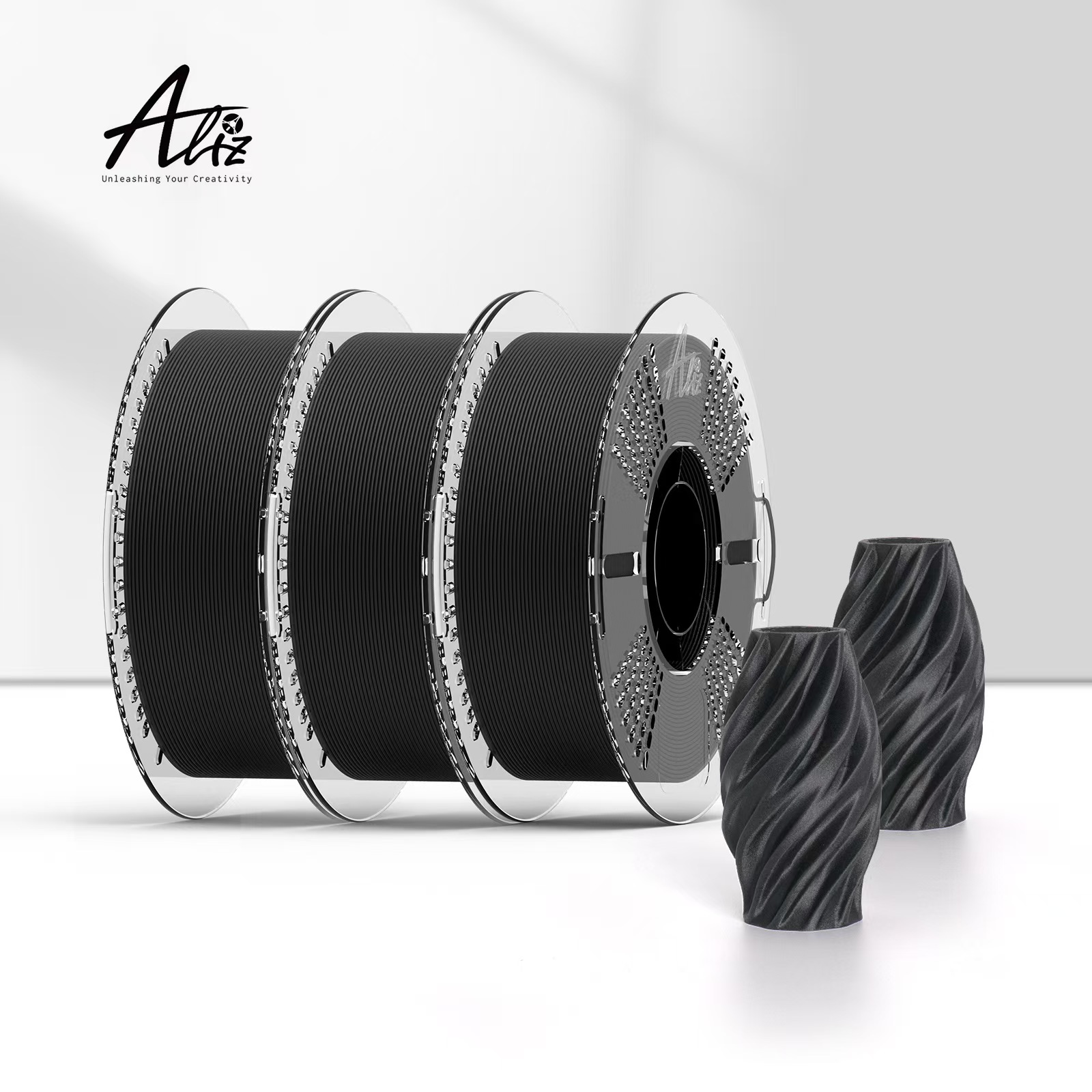
With a carbon fiber content of 5-10%, Customization.
PA-CF Aviation
With a carbon fiber content of
20-30%, Customization.
PA-CF Industrial
With a carbon fiber content up to 15%.
Mechanical Properties
Property Testing Method Testing Condition Injection Molding Typical Value 3D Printing X-Y Axis Typical Value 3D Printing  Z Axis Typical Value Unit
Tensile Strength ISO 527 50mm/min 134.1 113.5±4 66.3±4 MPa
Elongation at Break ISO 527 50mm/min 1.8 1.69±1 1.4±0.3 %
Tensile Modulus ISO 527 50mm/min 9898.5 7671±300 4253±300 MPa
Flexural Strength ISO 178 2mm/min 188.6 168.6±10 54.5±5 MPa
Flexural Modulus ISO 178 2mm/min 8180 8039±300 3826.7±300 MPa
Charpy Impact Strength ISO 179 23℃ 35.2 13.2±2 7±1 KJ/㎡
Izod Impact Strength ISO 180 23℃ 31.8 12.1±2 5.5±1 KJ/㎡

Physical Properties
Property Testing Method Testing Condition Typical Value Unit
Density ISO 1183 Immersion 1.18 g/cm3
Melt Flow index(MFR) ISO 1133 275℃/2.16kg 1-5 g/10 min

Moisture Absorption
Property Testing Method Testing Condition Injection Molding Typical Value 3D Printing Typical Value Unit
Moisture Absorption ISO 62 50%RH*23℃ 2.5 2.7 %

Chemical Properties
Property Testing Result
Weak Acid Resistance Not Resistant
Strong Acid Resistance Not Resistant
Weak Base Resistance Lightly Resistant
Strong Base Resistance Not Resistant
Organic Solution Resistance Not Resistant
Oil and Grease Resistance Resistant

Thermal Properties
Property Testing Method Testing Condition Injection Molding Typical Value 3D Printing X-Y Axis Typical Value 3D Printing Z Axis Typical Value Unit
Glass Transition Temperature DSC 10℃/min 84.6
Crystallization temperature DSC 10℃/min 174
Melting Point DSC 10℃/min 220.6
Decomposition Temperature TGA 20℃/min >370
Heat Distortion Temperature ISO 75 0.45MPa 215.7 213 191.1
Heat Distortion Temperature ISO 75 1.8MPa 163.8 161.4 150.2
Vicat Softening Temperature ISO 306 50℃/10N N/A

Recommended 3D Printing Parameters
*Based on 0.4 mm nozzle. Printing conditions may vary with different nozzle diameters.
Printing Temperature 270-300(℃)
Bed Temperature 80-100(℃)
Wall Layers 2 Layers
Top and Bottom Layers 4 Layers
Infill 100%
Ambient Temperature 25℃
Cooling Fan 0-10%
Printing Speed 30-50(mm/s)
Nozzle Diameter 0.4 mm

3DPrinting Actual Parameters
*All specimens must be left at room temperature for 24 hours before testing. The parameters are based on the Bambulab P1S 3D printer.
Printing Temperature 280(℃)
Bed Temperature 100(℃)
Wall Layers 2 Layers
Top and Bottom Layers 4 Layers
Infill 100%
Ambient Temperature 25℃
Cooling Fan 10%
Printing Speed 50(mm/s)
Nozzle Diameter 0.4 mm
Inquiry