You are here: Home » Products » 3D Printer Filament » PA » PA-CF 3D Printing Filament General Version

PA-CF 3D Printing Filament General Version

Share to:
facebook sharing button
twitter sharing button
line sharing button
wechat sharing button
linkedin sharing button
pinterest sharing button
whatsapp sharing button
kakao sharing button
snapchat sharing button
sharethis sharing button
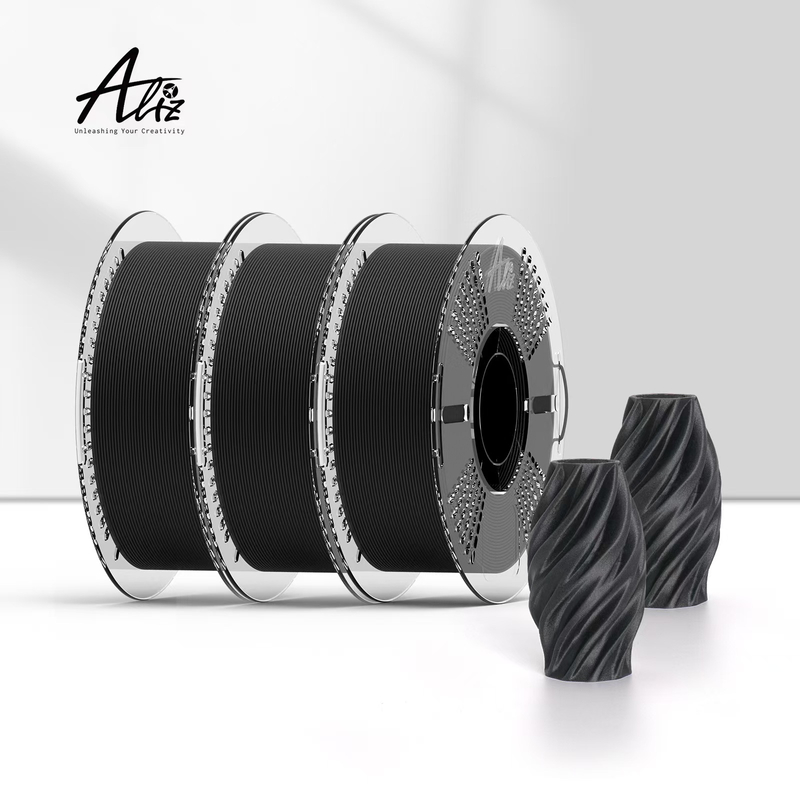
PA-CF General, with a carbon fiber content of 5-10%, Customization.
Features:
Low rigidity and strength
Good flexibility
Lighter weight
Better surface finish
Diameter:
Weight of each roll:
Availability:
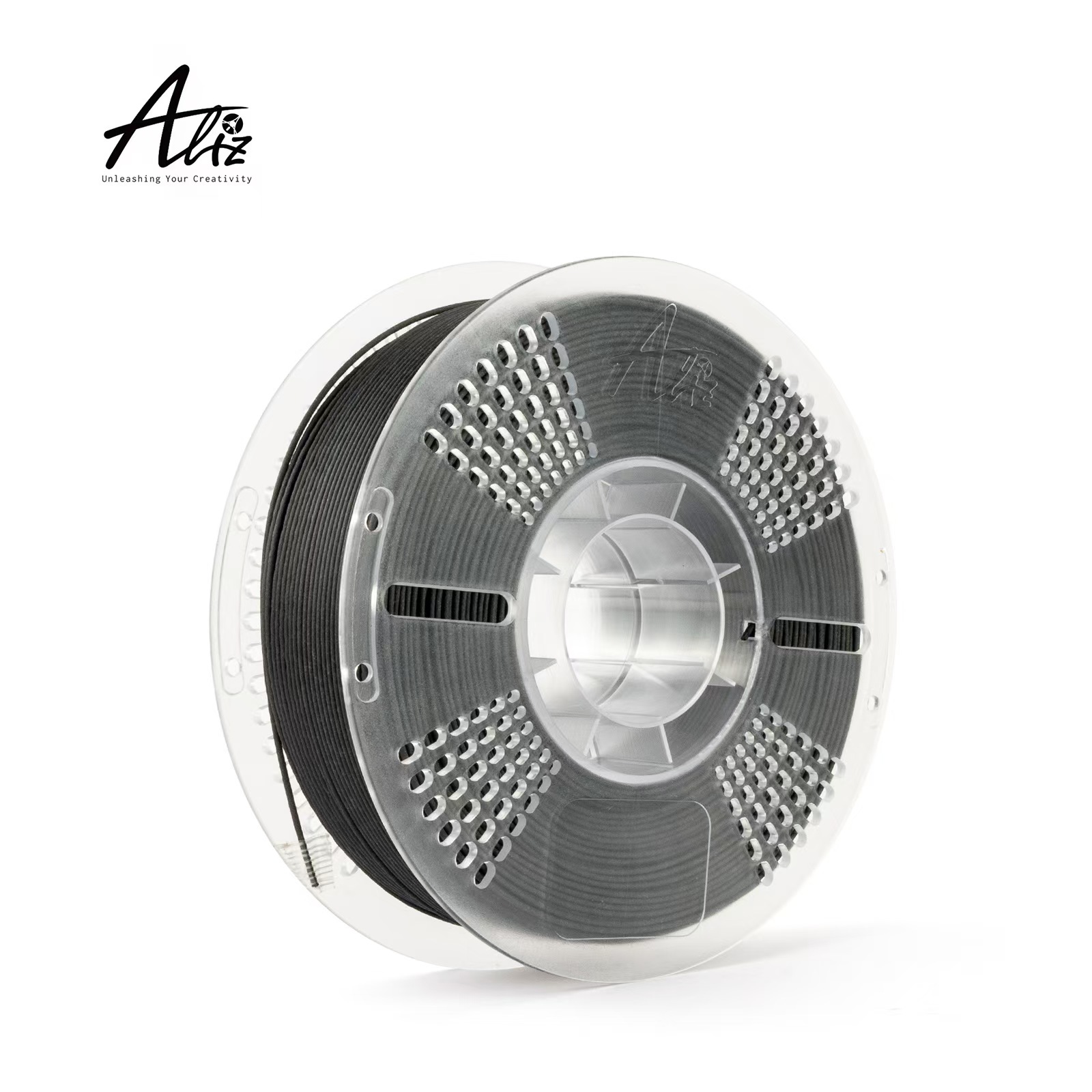
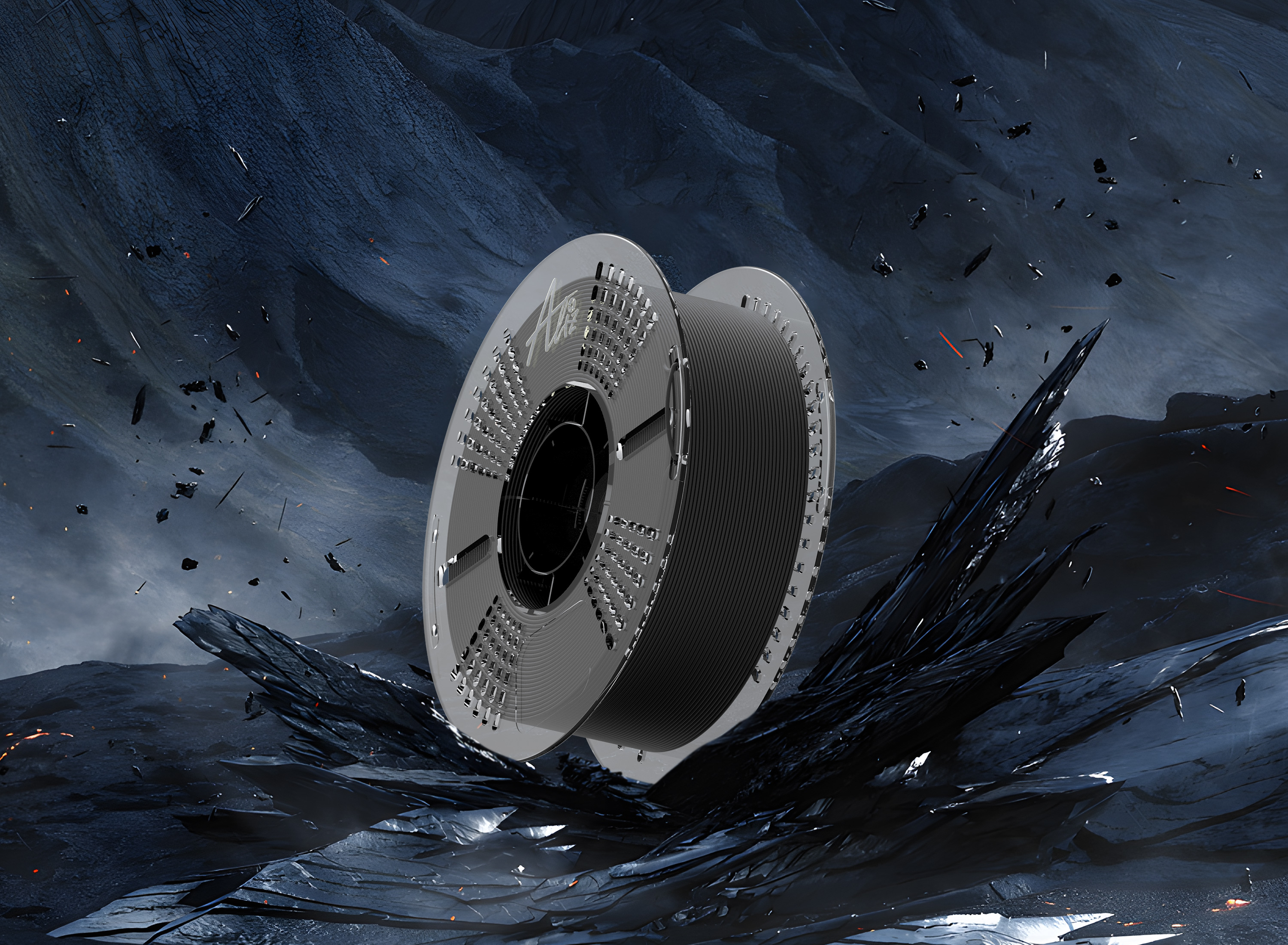
PA-CF 3D Printing Filament is a polymer of polyamide (commonly known as Nylon) and carbon fiber. PA-CF General offers a balanced blend of enhanced mechanical properties and retained flexibility. Compared to higher-content variants, the lower carbon fiber percentage not only outperforms pure nylon in mechanical performance, but also retains sufficient flexibility for elastic and bending applications, such as clamps and connectors. A small amount of carbon fiber results in lighter weight and lower density, ideal for lightweight structures. It also provides superior surface finish, minimizing print quality issues and ensuring smoother, more aesthetically pleasing parts.
Advantages
1 -
  • Low Rigidity & Strength
    Low rigidity and strength: The addition of a small content of carbon fiber improves its rigidity and strength. Compared with pure nylon, it has better mechanical properties.
  • Good Flexibility
    Good flexibility: The low carbon fiber content allows the material maintain flexibility, perfect for applications that require a certain degree of elasticity and bending.
  • Lighter Weight
    Lighter weight: Due to the lower carbon fiber content, the overall material is less dense and lighter.
  • Better Surface Finish
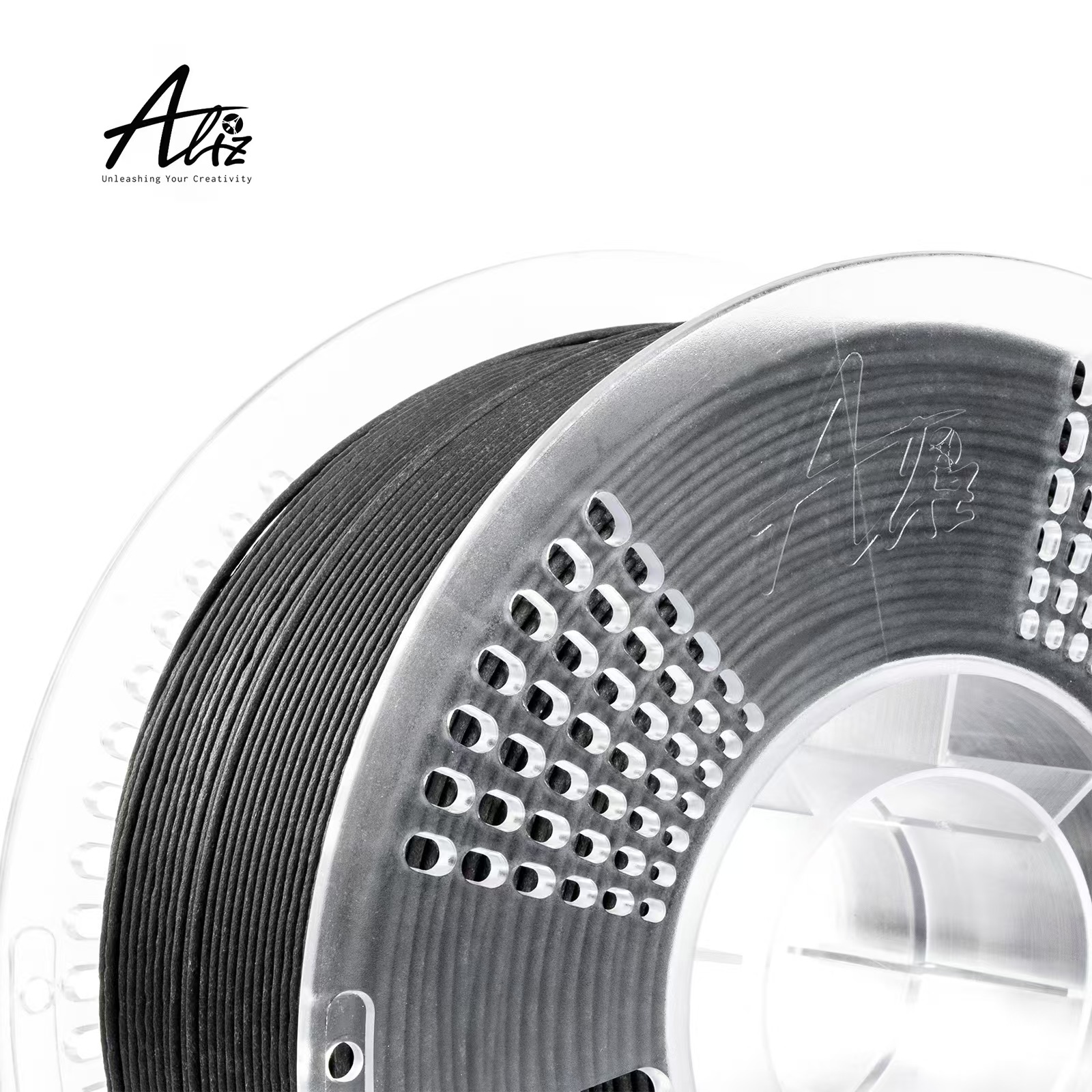
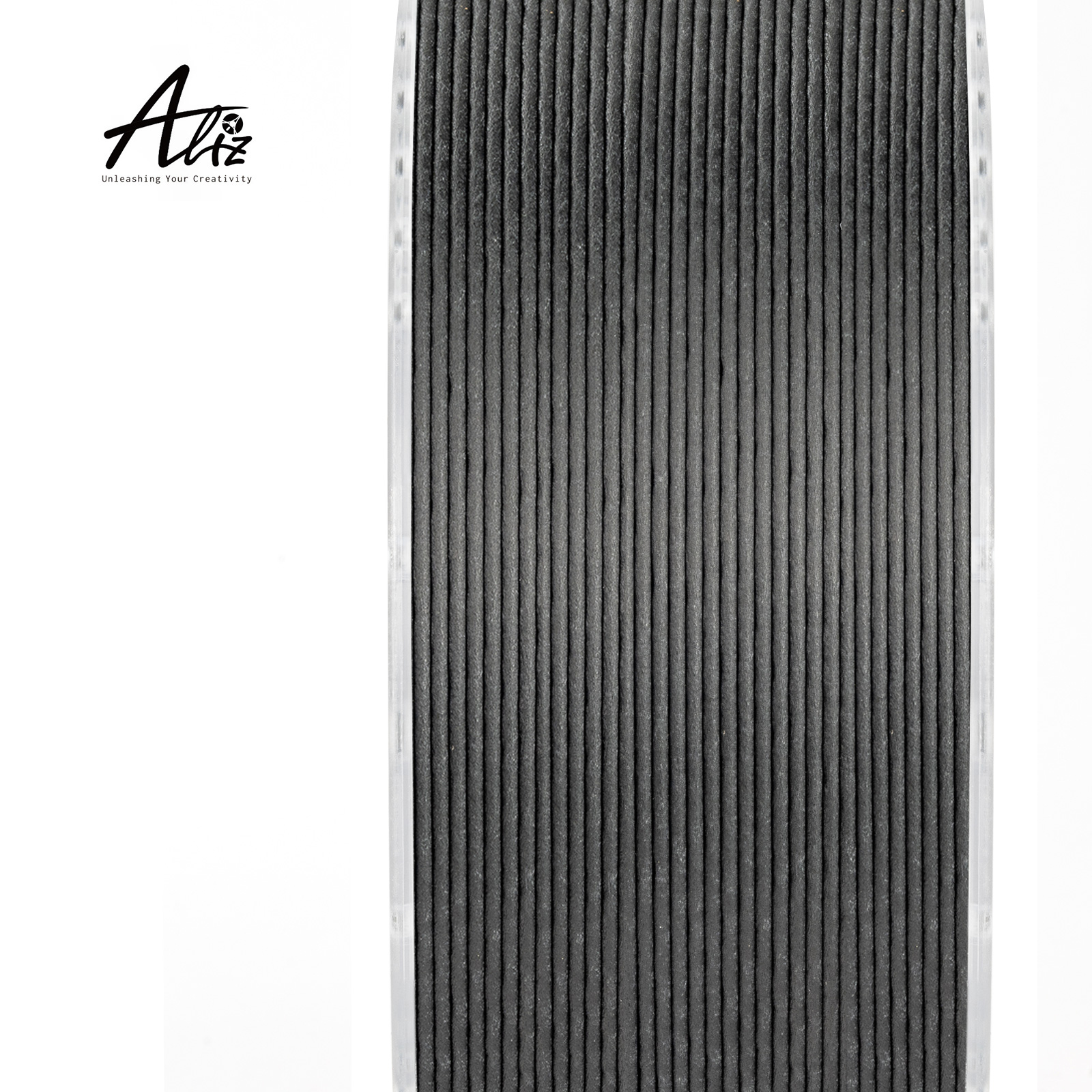
    Better surface finish: Lower carbon fiber content generally makes it easier to print a smooth surface, reducing the impact of carbon fiber on surface quality.
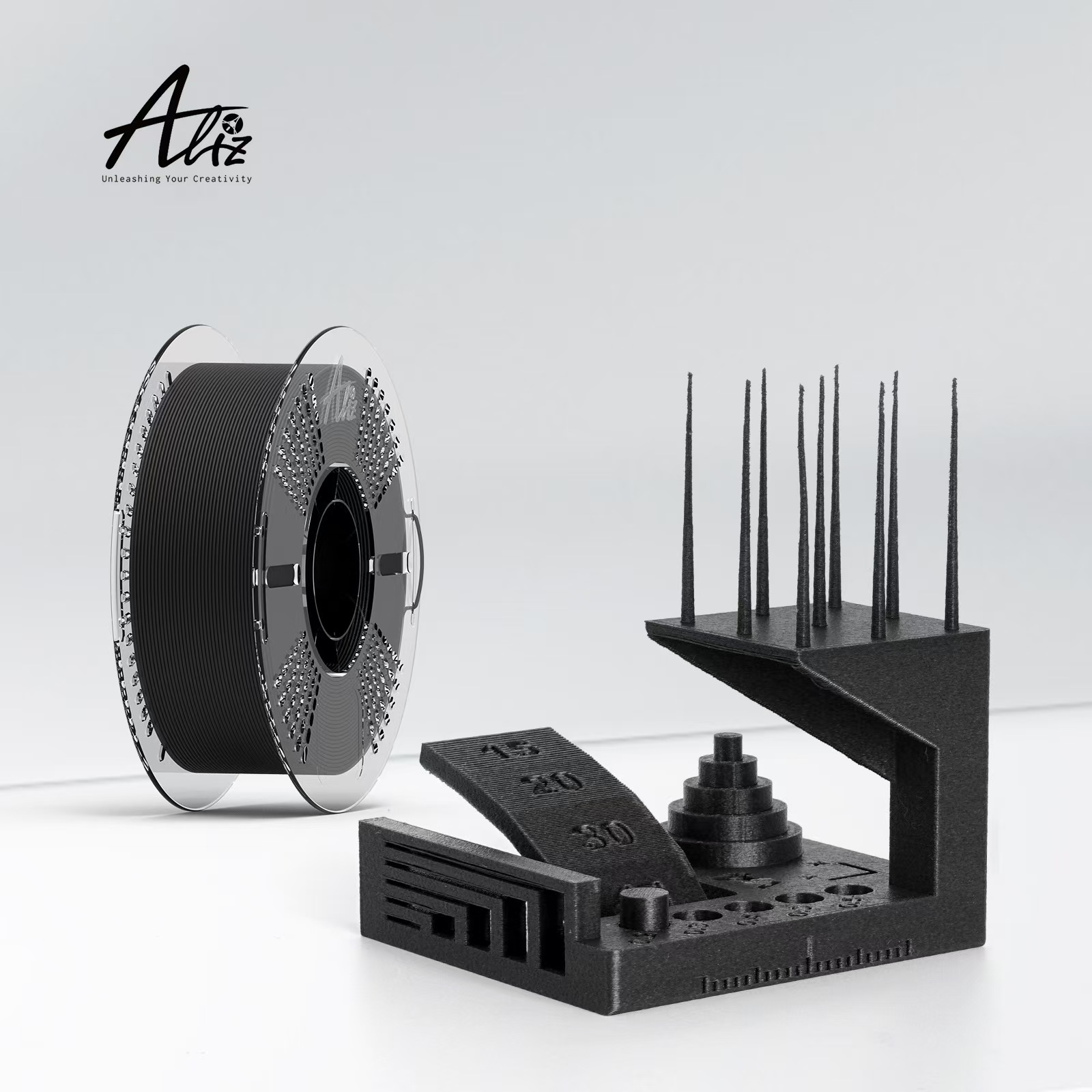
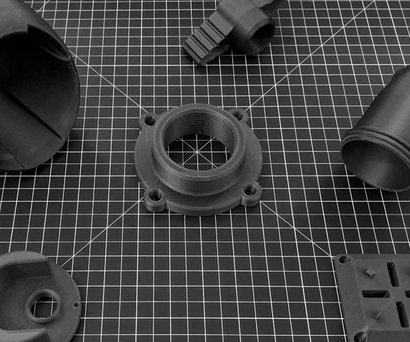
PA-CF General is perfect for rapid prototyping and excellent for creating functional prototypes that demonstrate both appearance and functionality. It is well-suited for light structural components like drone casings and small mechanical parts, where weight reduction is crucial. Additionally, its ease of use and good printability make it ideal for educational and research projects, helping students and researchers explore carbon fiber-reinforced materials.
Applications:
1.Prototyping: Ideal for rapid prototyping, especially in situations where you need to demonstrate appearance or perform functional testing.

2.Lightweight structural parts: Perfect for structural parts that need to be lightweight and have a certain strength, such as UAV shell, small mechanical parts, etc.

3.Flexible parts: Excellent for parts that need some flexibility, such as connectors, etc.

4.Education and research: Suitable for teaching and research projects to help students and researchers understand the fundamental properties of carbon fiber reinforced materials.
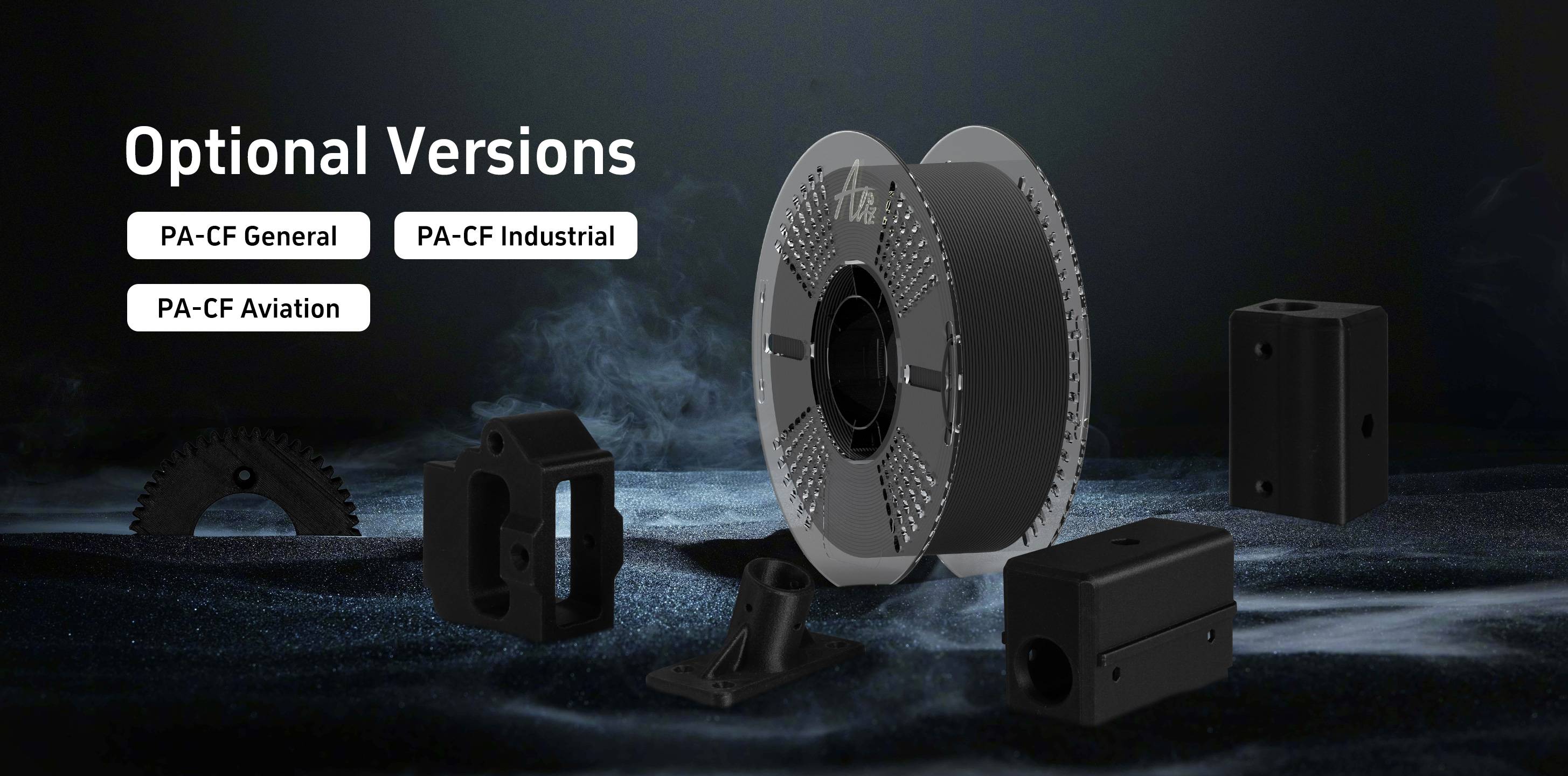
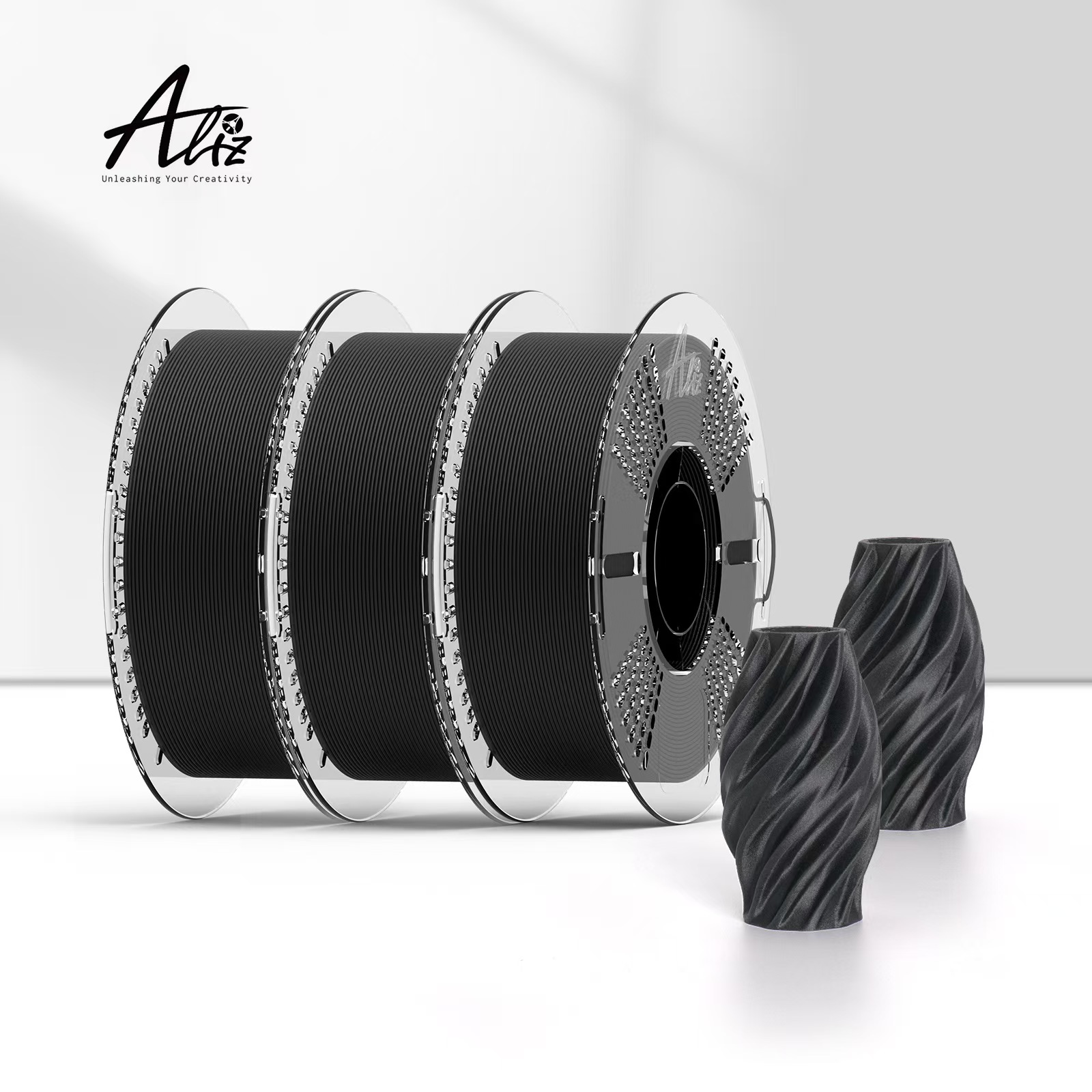
PA-CF General
With a carbon fiber content of 5-10%, Customization.
PA-CF Aviation
With a carbon fiber content of
20-30%, Customization.
PA-CF Industrial
With a carbon fiber content up to 15%.
Mechanical Properties
Property Testing Method Testing Condition Injection Molding Typical Value 3D Printing X-Y Axis Typical Value 3D Printing  Z Axis Typical Value Unit
Tensile Strength ISO 527 50mm/min 102.6 90±4 54.3±2 MPa
Elongation at Break ISO 527 50mm/min 4.9 2.1±1 0.8±0.2 %
Tensile Modulus ISO 527 50mm/min 5299.9 4943.3±300 2288.4±300 MPa
Flexural Strength ISO 178 2mm/min 151.3 123.1±4 52.4±4 MPa
Flexural Modulus ISO 178 2mm/min 4300 3742.5±300 1992.5±300 MPa
Charpy Impact Strength ISO 179 23℃ 67.3 10.6±2 3.7±1 KJ/㎡
Izod Impact Strength ISO 180 23℃ 52.2 9.7±2 3.2±1 KJ/㎡

Physical Properties
Property Testing Method Testing Condition Typical Value Unit
Density ISO 1183 Immersion 1.14 g/cm3
Melt Flow index(MFR) ISO 1133 275℃/2.16kg 5-15 g/10 min

Moisture Absorption
Property Testing Method Testing Condition Injection Molding Typical Value 3D Printing Typical Value Unit
Moisture Absorption ISO 62 50%RH*23℃ 2.5 2.7 %

Chemical Properties
Property Testing Result
Weak Acid Resistance Not Resistant
Strong Acid Resistanc Not Resistant
Weak Base Resistance Lightly Resistant
Strong Base Resistance Not Resistant
Organic Solution Resistance Not Resistant
Oil and Grease Resistance Resistant

Thermal Properties
Property Testing Method Testing Condition Injection Molding Typical Value 3D Printing X-Y Axis Typical Value 3D Printing Z Axis Typical Value Unit
Glass Transition Temperature DSC 10℃/min 66.9
Crystallization temperature DSC 10℃/min 172.6
Melting Point DSC 10℃/min 220.5
Decomposition Temperature TGA 20℃/min >370
Heat Distortion Temperature ISO 75 0.45MPa 222.1 183.9 163.4
Heat Distortion Temperature ISO 75 1.8MPa 201.6 172.1 159.7
Vicat Softening Temperature ISO 306 50℃/10N N/A

Recommended 3D Printing Parameters
*Based on 0.4 mm nozzle. Printing conditions may vary with different nozzle diameters.
Printing Temperature 260-300(℃)
Bed Temperature 80-100(℃)
Wall Layers 2 Layers
Top and Bottom Layers 4 Layers
Infill 100%
Ambient Temperature 25℃
Cooling Fan 0-10%
Printing Speed 30-50(mm/s)
Nozzle Diameter 0.4 mm

3D Printing Actual Parameters
*All specimens must be left at room temperature for 24 hours before testing. The parameters are based on the Bambulab P1S 3D printer.
Printing Temperature 270 (℃)
Bed Temperature 100 (℃)
Wall Layers 2 Layers
Top and Bottom Layers 4 Layers
Infill 100%
Ambient Temperature 25℃
Cooling Fan 10%
Printing Speed  50 (mm/s)
Nozzle Diameter 0.4 mm
Inquiry