You are here: Home » Products » 3D Printer Filament » Others » ASA 3D Printer Filament

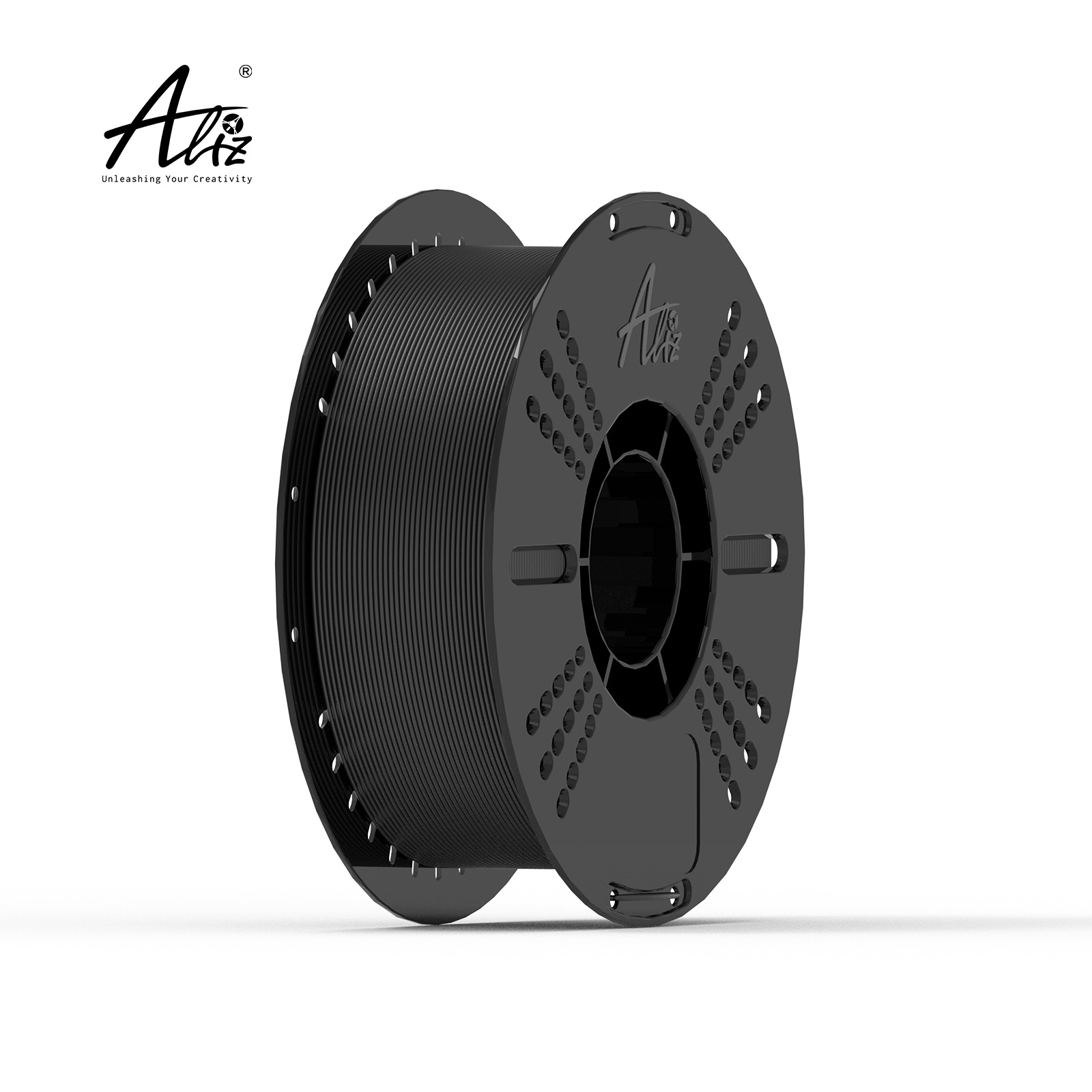
ASA 3D Printer Filament

Share to:
facebook sharing button
twitter sharing button
line sharing button
wechat sharing button
linkedin sharing button
pinterest sharing button
whatsapp sharing button
kakao sharing button
snapchat sharing button
sharethis sharing button
Key Features:
1. Superior Mechanical and Physical Properties
2. Strong Weather-resistance (High UV Resistance)
3. Enhanced Heat Resistance
4. Anti-static Material
5. Water Resistance
6. Good Flowability
7. Strong Chemical Resistance
8. Solubility in Acetone
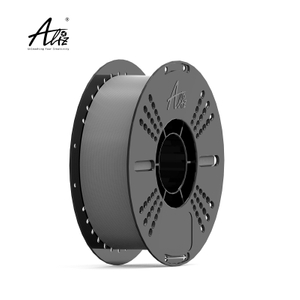
Diameter: 1.75mm/2.85mm
Weight of each roll: 1kg/2.5kg
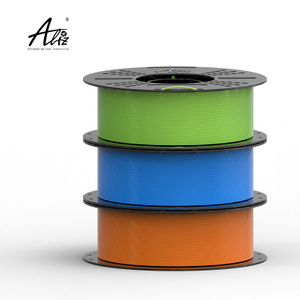
Color:
Availability:
ASA(Acrylonitrile Styrene Acrylate) is a ternary copolymer composed of Acrylonitrile, Styrene, and Acrylic Rubber(Acrylate). Technically speaking, ASA not only retains the main characteristics of ABS but also combines the weather-resistant advantages of PMMA, allowing its applications to be extended to outdoor uses. It belongs to the impact-resistant modified resin, with properties including weather resistance, heat resistance, anti-aging, UV resistance, static resistance, impact resistance, and corrosion resistance.
Key Features
Strong Chemical Resistance
High UV Resistance
Water Resistance
1. Superior Mechanical and Physical Properties: ASA shares a similar structure with ABS, retaining excellent mechanical and physical properties of ABS as an engineering plastic.

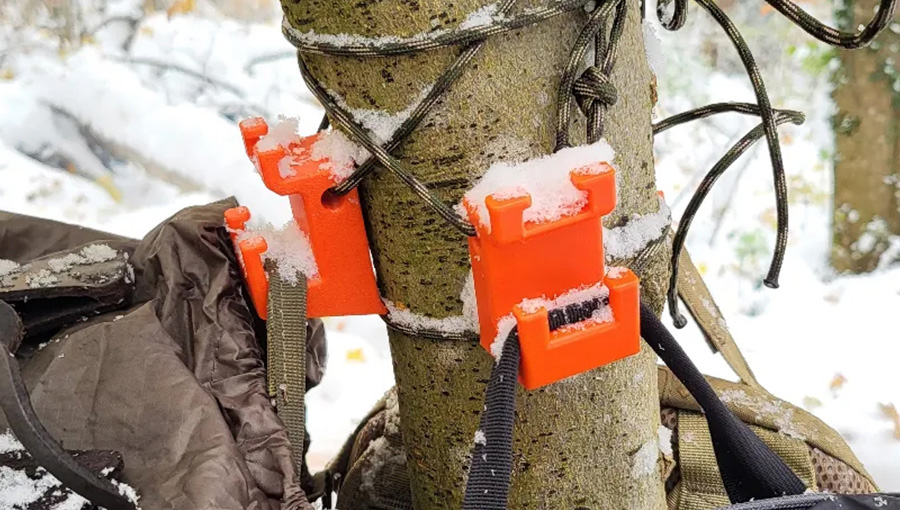
2. Strong Weather-resistance (High UV Resistance): Aging resistance of ASA is more than 10 times that of ABS, capable of withstanding degradation, aging, and fading caused by UV exposure. It also offers robust protection against decomposition or discoloration resulting from high temperatures during oxidation processing. This significantly enhances the material's anti-aging and weather-resistant properties, making it suitable and durable for outdoor applications where it can endure prolonged direct sunlight without color fading.

3. Enhanced Heat Resistance: ASA boasts better high-temperature resistance, providing an advantage in applications that need to withstand higher temperatures.

4. Anti-static Material: Its anti-static properties minimize dust accumulation on surfaces.

5. Water Resistance: Even in wet environments or prolonged submersion in rainwater, ASA maintains its properties without being affected.

6. Good Flowability: With a good melt index, the printing process can be more smoother, resulting in improved surface finish and overall quality of the printed parts.

7. Strong Chemical Resistance: It exhibits excellent resistance to chemical corrosion.

8. Solubility in Acetone: ASA can be dissolved in acetone for bonding and smoothing purposes.
Applications
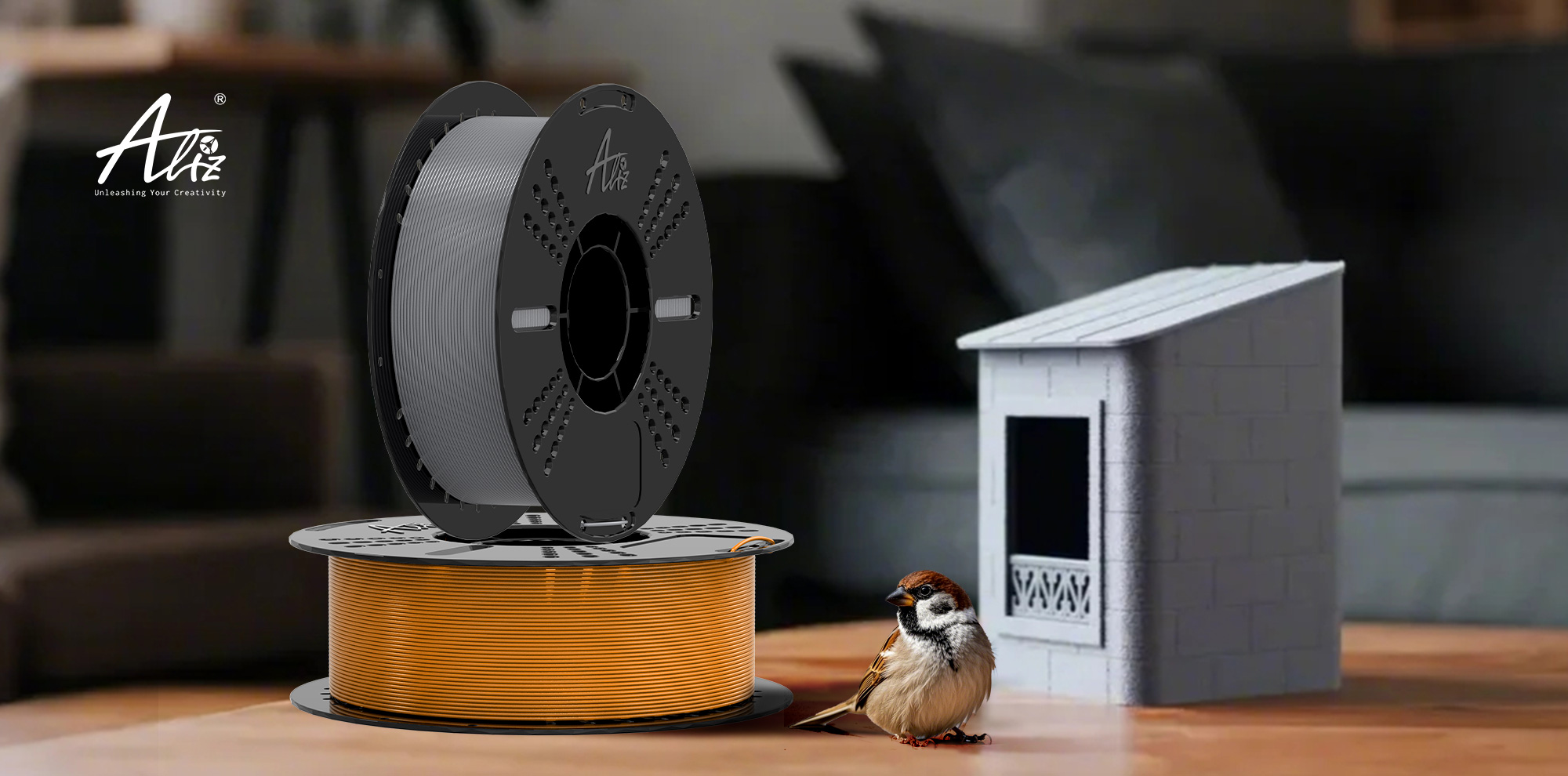
1. Architectural Models: ASA is a good choice for architectural models that need to withstand outdoor conditions or require a smooth, paintable finish.

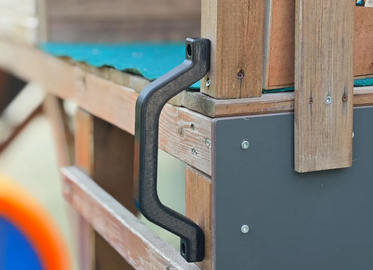
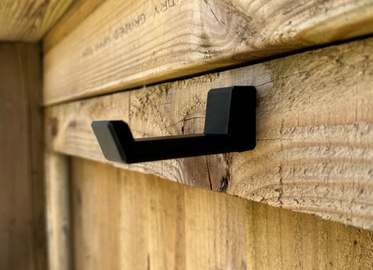
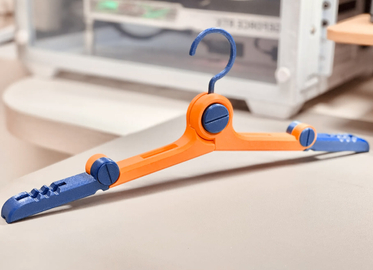
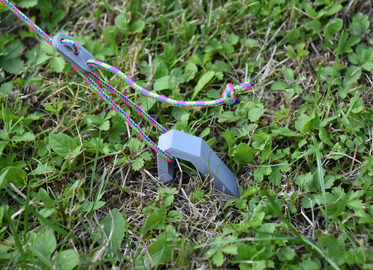
2. Consumer Goods: ASA can be used to create durable outdoor display art components, outdoor equipment can be made with ASA due to its toughness and weather resistance.

3. Automotive Industry: ASA does not gradually turn gray after prolonged wind erosion, unlike aging-resistant ABS after special treatment (which can cause numerous microscopic cracks and cavitation erosion on the surface due to wind erosion or water flow).

4. Typical Applications: Including exterior mirrors, rear spoilers, lamp covers, motorcycle panels, surfboards, and other exterior components that withstand exposure to sunlight, rain, and strong winds.
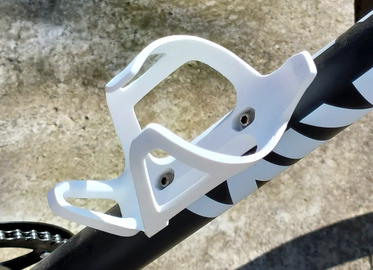
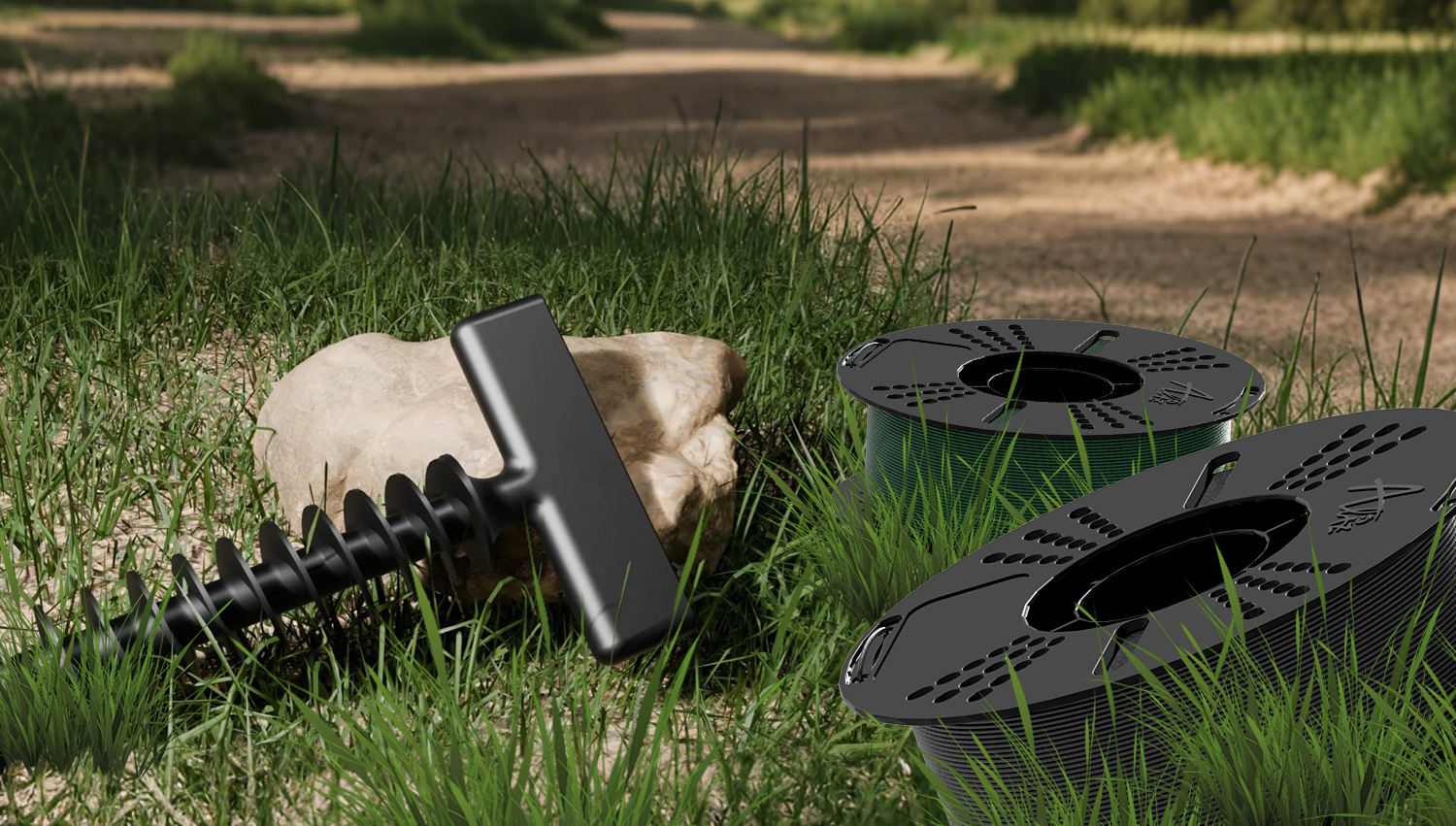
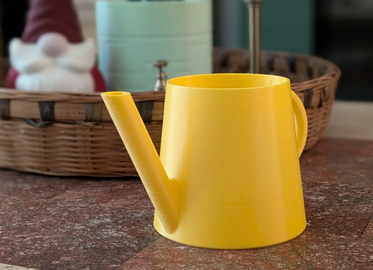
5. Horticulture: Particularly suited for garden irrigation equipment and lawn mower housings.
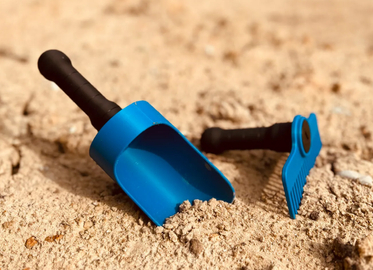
6. Electronics and Electrical Appliances: Ideal for durable equipment housings, such as all-weather enclosures for sewing machines, telephones, kitchen appliances, and satellite antenna.
Mechanical Properties
Property Testing Method Testing Condition Injection Molding Typical Value 3D Printing X-Y Axis Typical Value 3D Printing  Z Axis Typical Value Unit
Tensile Strength ISO 527 50mm/min 45.1 35.9±3 21±2 MPa
Elongation at Break ISO 527 50mm/min 14.6 6.5±1 1.4±0.3 %
Tensile Modulus ISO 527 50mm/min 2003.1 1839.2±100 1608.2±100 MPa
Flexural Strength ISO 178 2mm/min 69.6 56.3±4 28.3±2 MPa
Flexural Modulus ISO 178 2mm/min 2203.3 1950±100 1470±100 MPa
Charpy Impact Strength ISO 179 23℃ 61.6 27.9±2 5.5±1 KJ/㎡
Izod Impact Strength ISO 180 23℃ 84.7 24.6±2 5±1 KJ/㎡

Physical Properties
Property Testing Method Testing Condition Typical Value Unit
Density ISO 1183 Immersion 1.05 g/cm3
Melt Flow index(MFR) ISO 1133 220℃/10kg 15-25 g/10 min

Moisture Absorption
Property Testing Method Testing Condition Injection Molding Typical Value 3D Printing Typical Value Unit
Moisture Absorption ISO 62 50%RH*23℃ 0.5 0.6 %

Chemical Properties
Property Testing Result
Weak Acid Resistance Resistant
Strong Acid Resistance Lightly Resistant
Weak Base Resistance Resistant
Strong Base Resistance Lightly Resistant
Organic Solution Resistance Not Resistant
Oil and Grease Resistance Resistant

Thermal Properties
Property Testing Method Testing Condition Injection Molding Typical Value 3D Printing X-Y Axis Typical Value 3D Printing Z Axis Typical Value Unit
Glass Transition Temperature DSC 10℃/min 114.2
Melting Point DSC 10℃/min N/A
Distortion Temperature TGA 20℃/min N/A
Heat Distortion Temperature ISO 75 0.45MPa 98.3 86.6 80.3
Heat Distortion Temperature ISO 75 1.8MPa 85 77.8 75.7
Vicat Softening Temperature ISO 306 50℃/10N 107.5 98.7 98

Recommended 3D Printing Parameters
**Based on 0.4 mm nozzle. Printing conditions may vary with different nozzle diameters.
Printing Temperature 260-280(℃)
Bed Temperature 90-100(℃)
Wall Layers 2 Layers
Top and Bottom Layers 4 Layers
Infill 100%
Ambient Temperature 25℃
Cooling Fan 0-10%
Printing Speed 30-50(mm/s)
Nozzle Diameter 0.4 mm
Inquiry