You are here: Home » Products » 3D Printer Filament » Others » ABS 3D Printing Filament

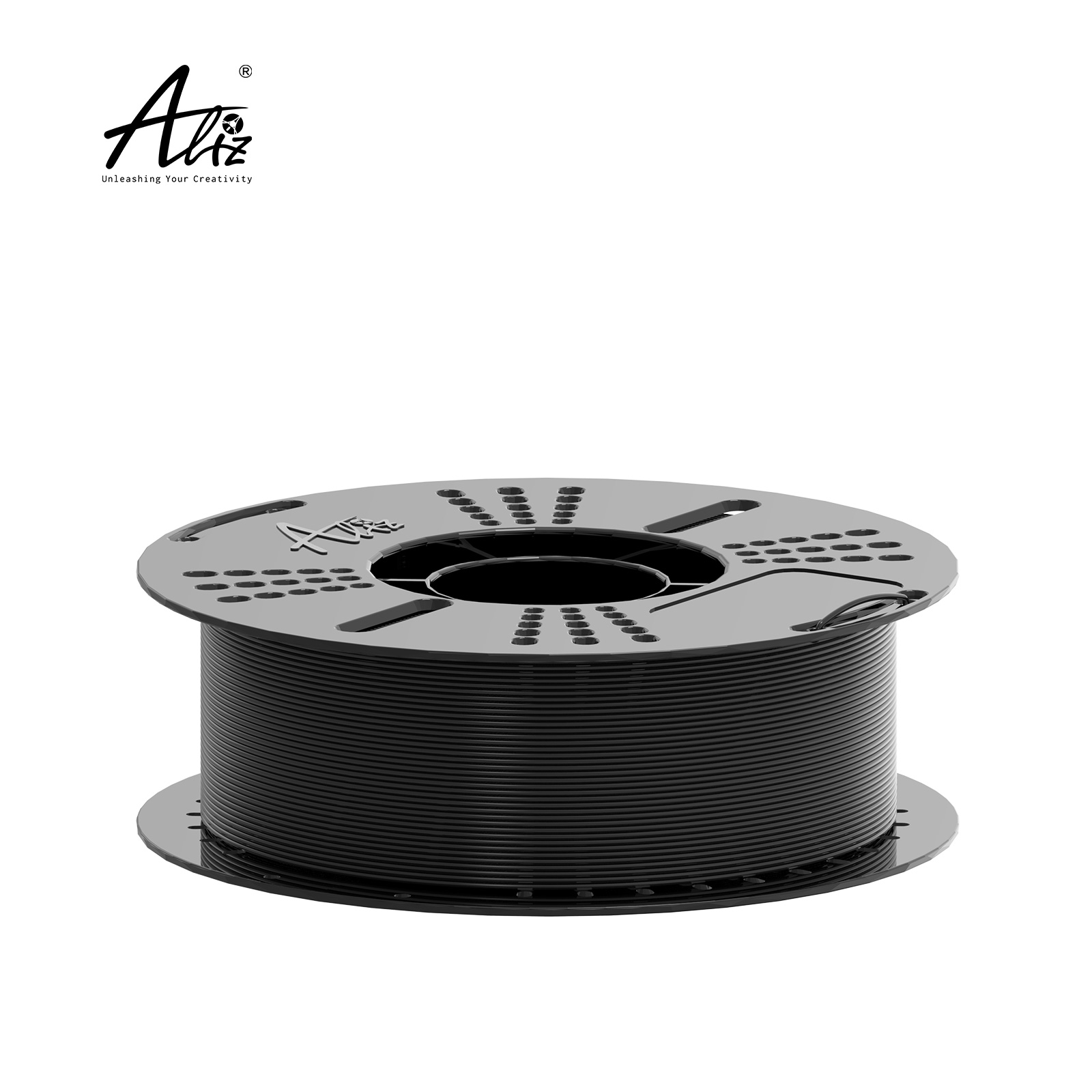
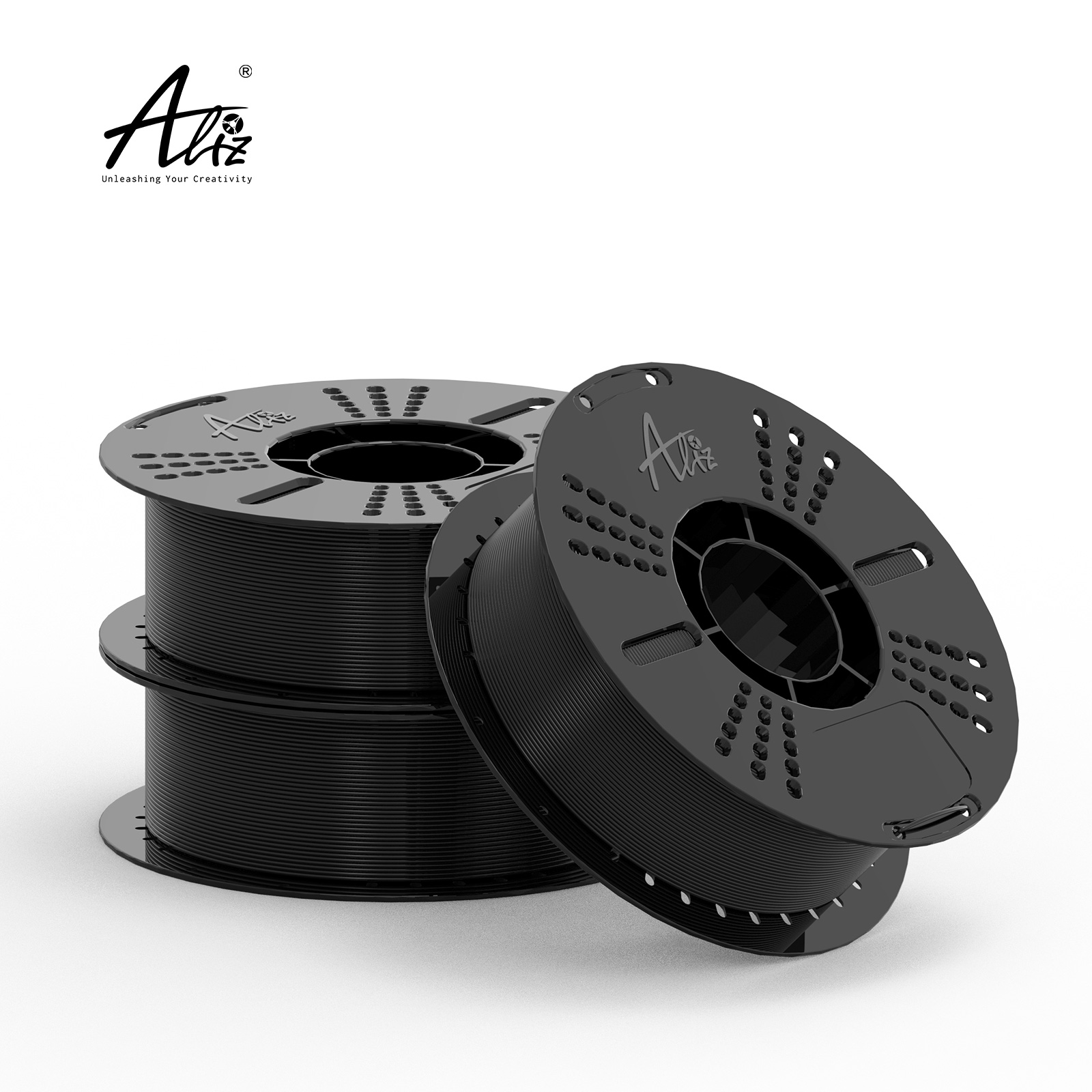
ABS 3D Printing Filament

Share to:
facebook sharing button
twitter sharing button
line sharing button
wechat sharing button
linkedin sharing button
pinterest sharing button
whatsapp sharing button
kakao sharing button
snapchat sharing button
sharethis sharing button
Features:
1. High Strength
2. Good Corrosion Resistance
3. Excellent Heat Resistance
4. Easy Processability
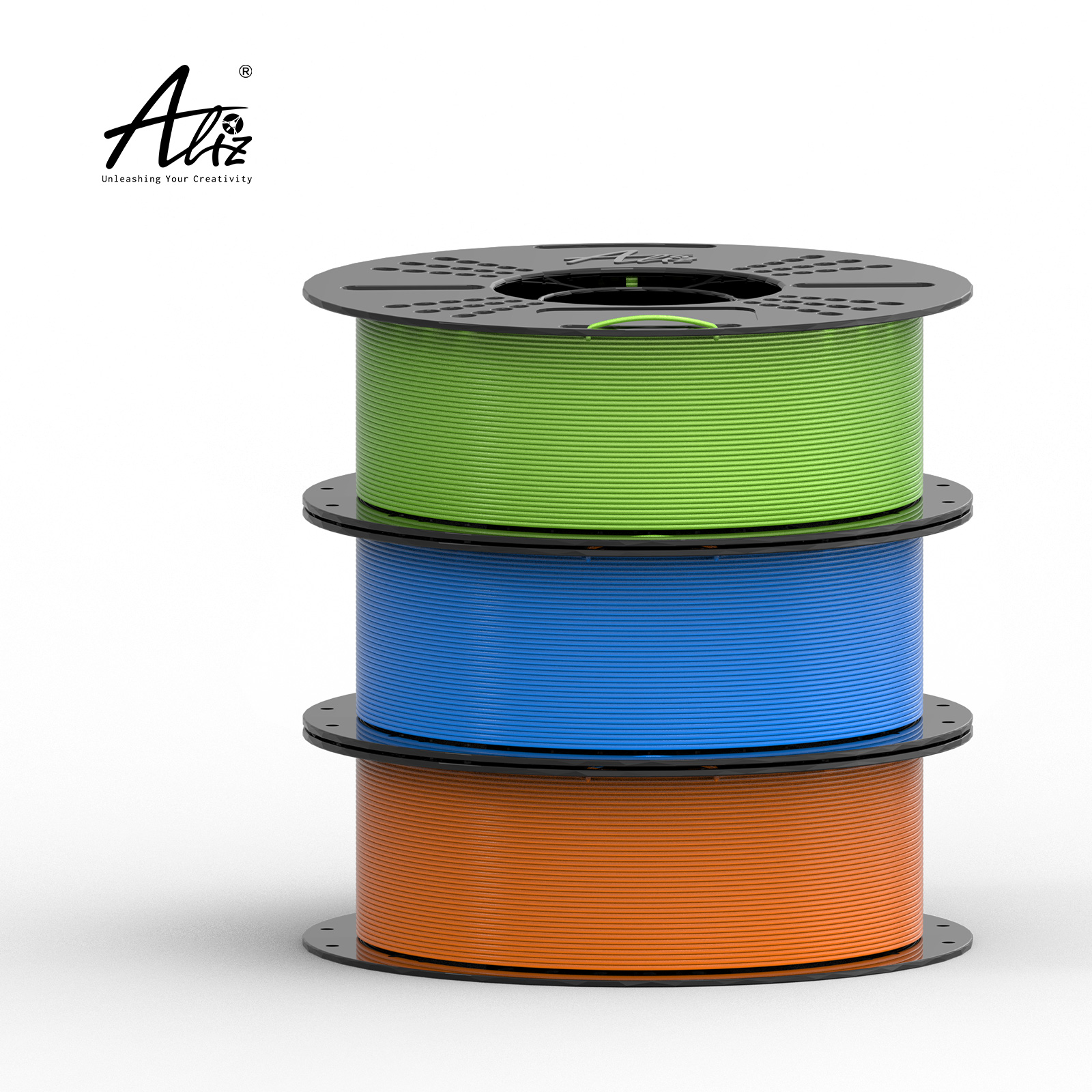
Diameter: 1.75mm/2.85mm
Weight of each roll: 1kg/2kg
Color:
Availability:
ABS 3D Printing Filament is a type of thermoplastic material, primarily composed of three chemical monomers: acrylonitrile, butadiene, and styrene. Its inherent strength and heat resistance create a dependable, tough material. When durability and heat resistance are required for 3D printed parts, ABS Filament is an excellent choice.

It is characterized by good mechanical strength, corrosion resistance, heat resistance, and ease of processing. It boasts excellent impact resistance, high-temperature tolerance, reduced brittleness, high toughness and durability, making it suitable for high-speed printing.

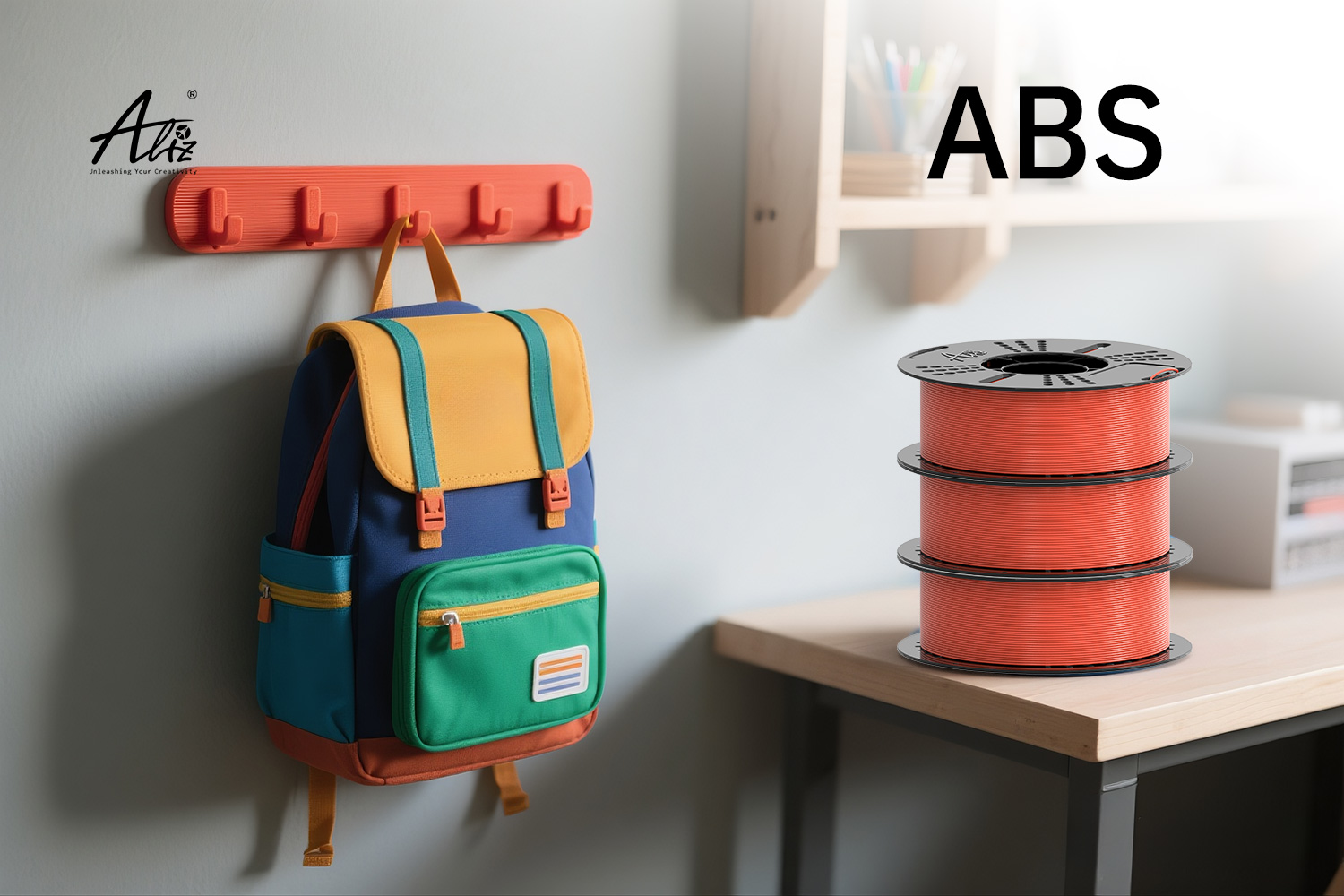
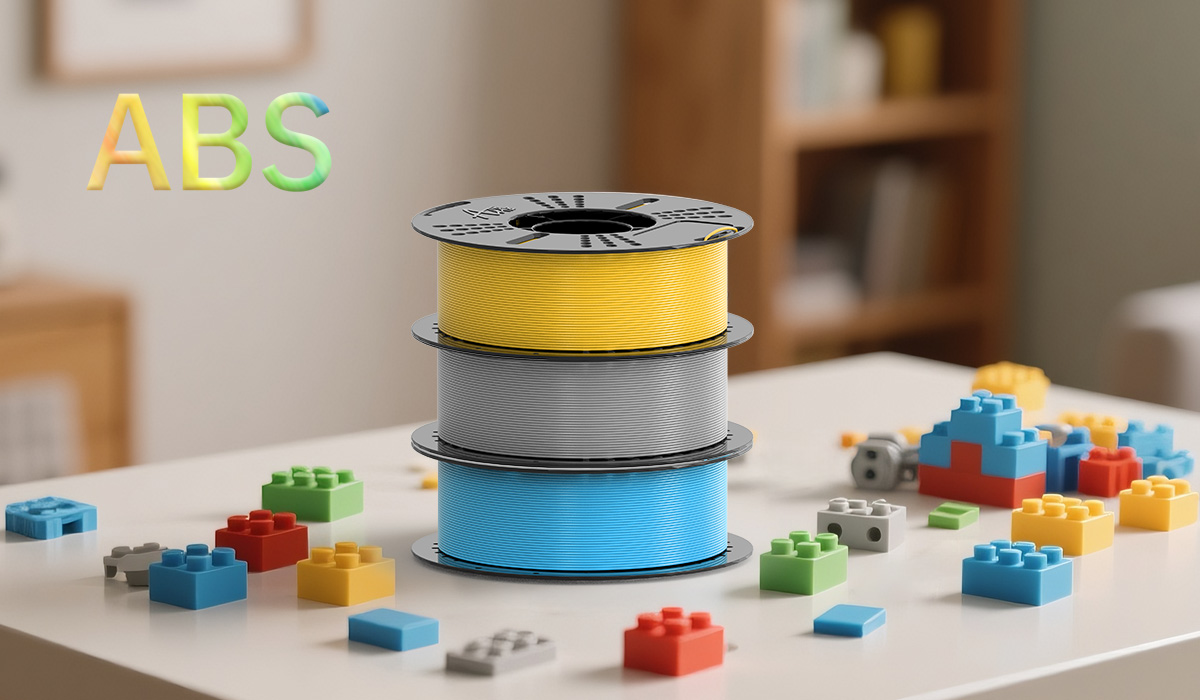
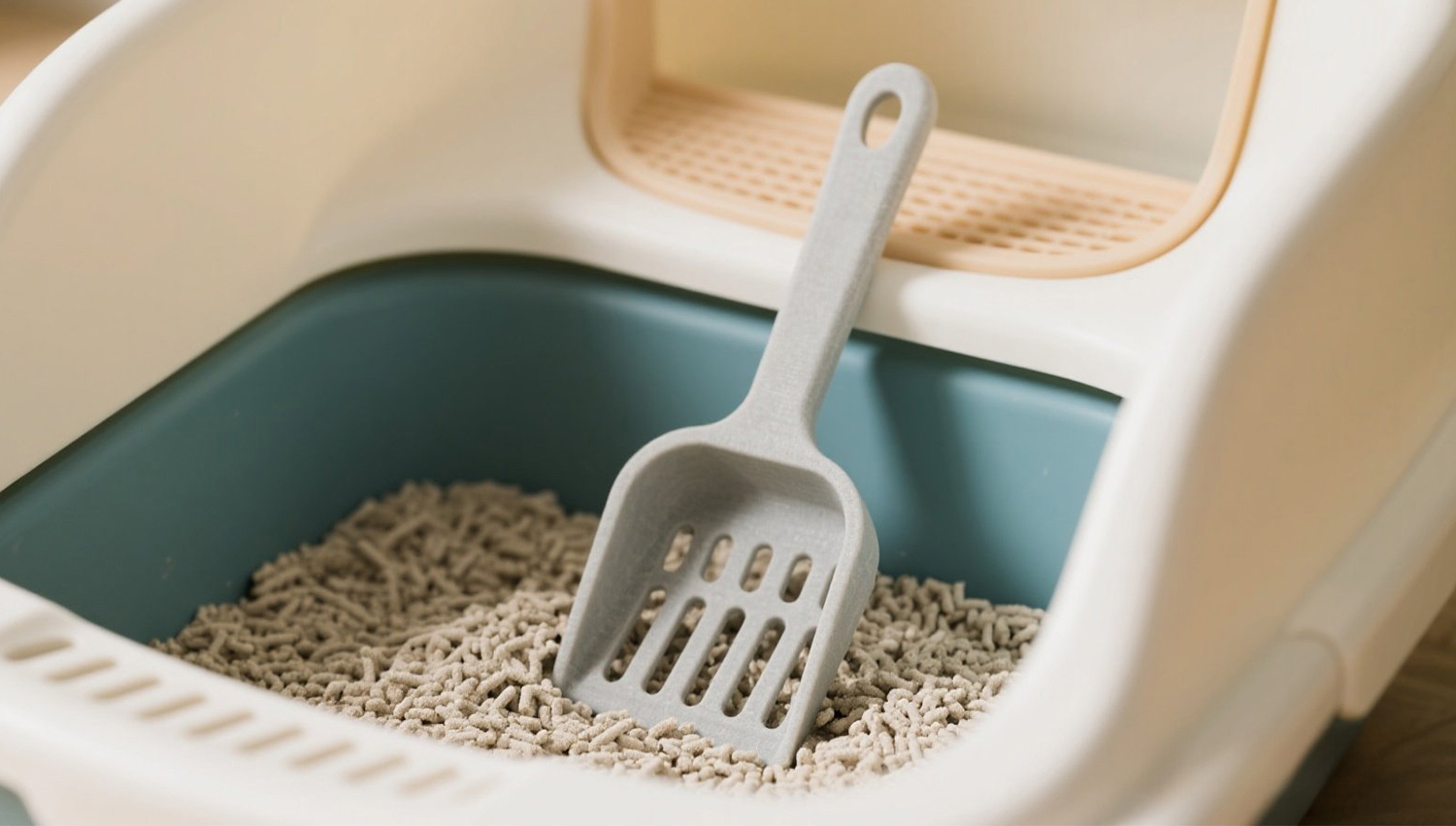
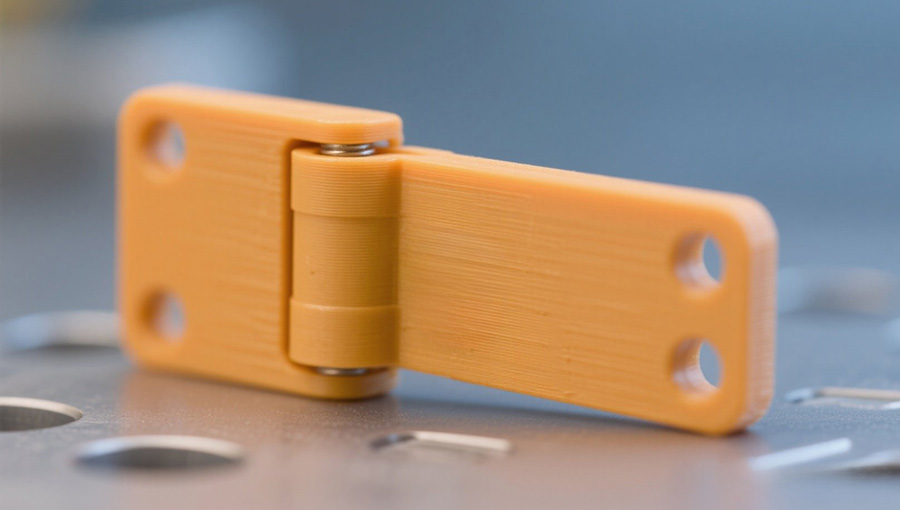
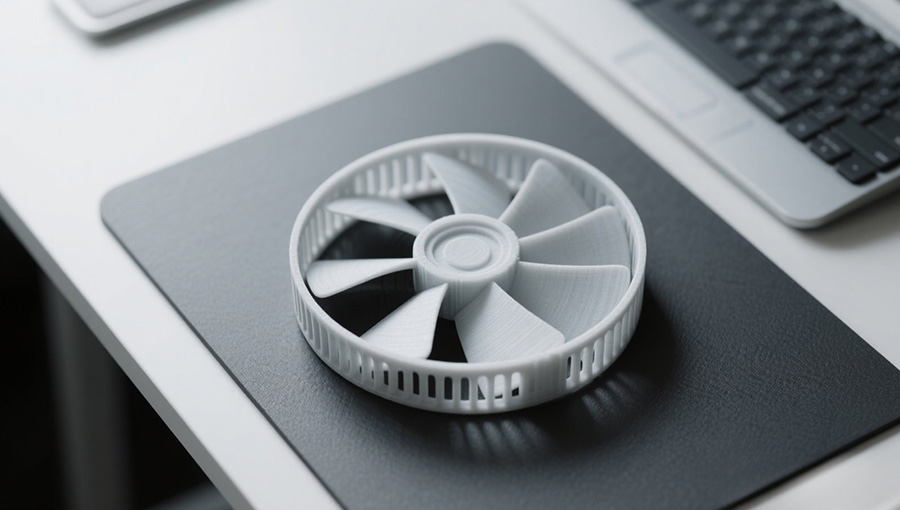
When the bed temperature reaches above 80°C, printing tasks can be easily completed even without enclosing the chamber. By sealing the chamber and maintaining a constant temperature, interlayer bonding can be further improved, resulting in more impact-resistant products that are very suitable for printing large items like sculptures, mannequins, as well as mobile phone holders and cup stands. Moreover, it can also be applied to the production of various plastic parts, such as toys, tools, electronic devices, etc.
Features
  • Excellent Overall Performance
    Good overall performance with outstanding impact strength, wear resistance, as well as favorable molding and machining properties.
  • High Quality
    Good hardness, high toughness, low density, easy coloring, corrosion resistance, high temperature resistance, good scratch resistance.
  • Good Molding Effect
    High impact resistant and opacity, and product molding effect is very good, with a smooth and delicate surface.
  • Good Stability
    Printed items are unlikely to get deformed with a fine molding effect, and the printed part still has good toughness and heat resistance.
  • Good Physical Properties
    It is impermeable with water absorption less than 1% at room temperature.
  • Polish Allowed
    Its surface can be polished with acetone, such as cosplay props that that require sanding and fine finishing.
  • Tips: Since ABS material is derived from petroleum, there will be a certain odor when printing.
Since some printers on the market do not support ABS material printing, please ensure you thoroughly understand whether your printer is compatible before making a purchase.
Advatages
Applications
ABS Printing Filament is a widely used thermoplastic engineering plastics in industrial machinery plastic parts, model machinery, electronic appliances, instrumentation and other industrial fields.
Pet Toys
Thermoplastic Engineering Plastics
Model Machinery
Mechanical Properties
Property Testing Method Testing Condition Injection Molding Typical Value 3D Printing X-Y Axis Typical Value 3D Printing  Z Axis Typical Value Unit
Tensile Strength ISO 527 50mm/min 44.2 31.9±2 23.6±2 MPa
Elongation at Break ISO 527 50mm/min 33.9 15.1±2 3.4±0.5 %
Tensile Modulus ISO 527 50mm/min 1859.8 1749.5±100 1631.5±100 MPa
Flexural Strength ISO 178 2mm/min 67.3 51.3±4 31.2±3 MPa
Flexural Modulus ISO 178 2mm/min 2226.7 2050±100 1916.7±100 MPa
Charpy Impact Strength ISO 179 23℃ NB 27.7±2 5.3±1 KJ/㎡
Izod Impact Strength ISO 180 23℃ NB 25.2±2 5±1 KJ/㎡

Physical Properties
Property Testing Method Testing Condition Typical Value Unit
Density ISO 1183 Immersion 1.04 g/cm3
Melt Flow index(MFR) ISO 1133 220℃/2.16kg 1-5 g/10 min

Moisture Absorption
Property Testing Method Testing Condition Injection Molding Typical Value 3D Printing Typical Value Unit
Moisture Absorption ISO 62 50%RH*23℃ 0.36 0.4 %
 
Chemical Properties
Property Testing Result
Weak Acid Resistance Not Resistant
Strong Acid Resistance Not Resistant
Weak Base Resistance Resistant
Strong Base Resistance Resistant
Organic Solution Resistance Not Resistant

Thermal Properties
Property Testing Method Testing Condition Injection Molding Typical Value 3D Printing X-Y Axis Typical Value 3D Printing Z Axis Typical Value Unit
Glass Transition Temperature DSC 10℃/min 113.5
Melting Point DSC 10℃/min N/A
Distortion Temperature TGA 20℃/min >380
Heat Distortion Temperature ISO 75 0.45MPa 99.6 85.3 84.4
Heat Distortion Temperature ISO 75 1.8MPa 86.7 77.8 79.2
Vicat Softening Temperature ISO 306 50℃/10N 106.8 97.6 96

Recommended 3D Printing Parameters
*Based on 0.4 mm nozzle. Printing conditions may vary with different nozzle diameters.
Printing Temperature 250-270(℃)
Bed Temperature 90-100(℃)
Wall Layers 2 Layers
Top and Bottom Layers 4 Layers
Infill 100%
Ambient Temperature 25℃
Cooling Fan 0-10%
Printing Speed 30-50(mm/s)
Nozzle Diameter 0.4 mm

3D Printing Actual Parameters
*All specimens must be left at room temperature for 24 hours before testing. The parameters are based on the Bambulab P1S 3D printer.
Printing Temperature 260(℃)
Bed Temperature 90(℃)
Wall Layers 2 Layers
Top and Bottom Layers 4 Layers
Infill 100%
Ambient Temperature 25℃
Cooling Fan 10%
Printing Speed 50(mm/s)
Nozzle Diameter 0.4 mm
Inquiry